


产后宫缩痛:原因与缓解方法全指南 | Afterpains: Causes and Relief Methods
一、什么是产后宫缩痛? | What Are Afterpains?
产后宫缩痛,俗称“产后痛”,是分娩后子宫为了止血和恢复到孕前大小(这个过程称为“复旧”)而发生的规律性收缩引起的疼痛。哺乳时,由于催产素分泌增加,疼痛感通常会更为明显。这是产后恢复的正常生理过程,通常持续2-3天,经产妇可能会感觉更剧烈。
Afterpains, commonly known as “postpartum pains,” are cramping pains caused by the rhythmic contractions of the uterus after childbirth. These contractions help to control bleeding and shrink the uterus back to its pre-pregnancy size (a process called “involution”). The pain is often more noticeable during breastfeeding due to the release of oxytocin. This is a normal part of the postpartum recovery process, typically lasting 2-3 days, and may feel more intense for mothers who have had previous children.
二、如何有效缓解疼痛?| How to Effectively Relieve the Pain?
您可以尝试以下几种安全有效的方法来缓解不适:
You can try the following safe and effective methods to ease the discomfort:
-
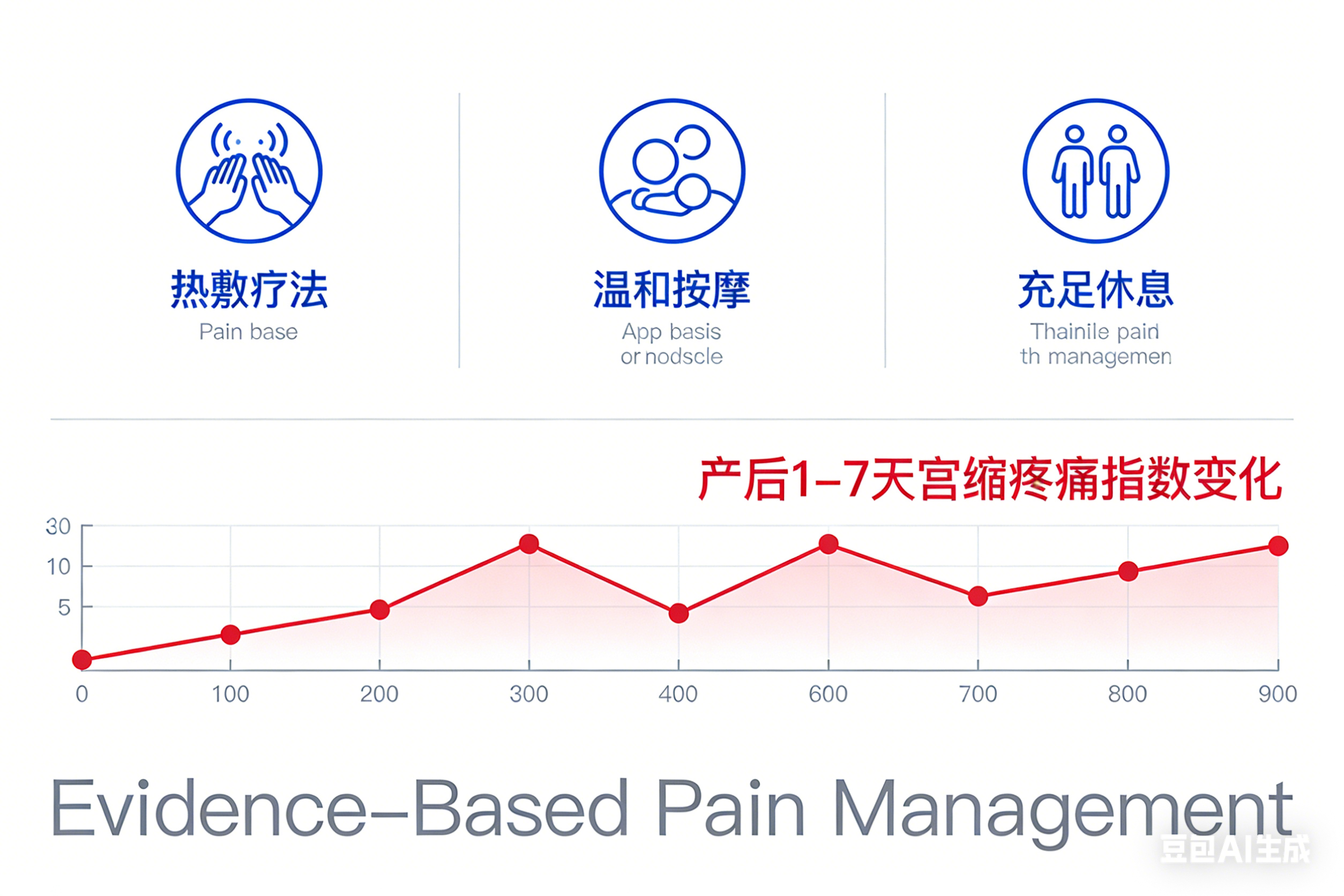
热敷 | Warm Compress
-
方法:将暖水袋或热敷包用毛巾包裹后,敷在下腹部。
-
原理:热量可以帮助放松腹部肌肉,缓解痉挛和疼痛。
-
Method: Place a warm water bottle or heating pad (wrapped in a towel) on your lower abdomen.
-
How it helps: Heat can help relax the abdominal muscles and alleviate cramping.
-
-
按摩 | Gentle Massage
-
方法:在肚脐下方,用手掌以顺时针方向轻轻打圈按摩。
-
原理:促进血液循环,并帮助子宫收缩排出血块(恶露)。
-
Method: Using your palm, gently massage in a clockwise direction below your navel.
-
How it helps: Promotes blood circulation and helps the uterus contract to expel blood clots (lochia).
-
-
改变姿势 | Change Your Position
-
方法:侧卧休息,并在膝盖之间或腹部下方垫一个枕头支撑。
-
原理:这种姿势能减少腹部张力,提供更好的支撑,从而减轻疼痛。
-
Method: Rest on your side with a pillow between your knees or supporting your abdomen.
-
How it helps: This position reduces tension on the abdomen and provides better support to ease the pain.
-
-
按时排空膀胱 | Empty Your Bladder Regularly
-
方法:即使没有强烈尿意,也应每隔几小时去一次洗手间。
-
原理:充盈的膀胱会向后压迫子宫,影响其收缩并加剧疼痛。
-
Method: Go to the bathroom every few hours, even if you don’t feel a strong urge.
-
How it helps: A full bladder can push against the uterus, hindering its contraction and worsening the pain.
-
-
听从医生建议使用止痛药 | Use Pain Medication as Advised by Your Doctor
-
方法:如果疼痛难以忍受,可以咨询医生。通常可以安全服用一些非处方止痛药,如布洛芬。
-
重要提示:务必遵循医嘱,不要自行用药。
-
Method: If the pain is unbearable, consult your doctor. Over-the-counter pain relievers like ibuprofen are often safe to take.
-
Important: Always follow your doctor’s advice and do not self-medicate.
-
三、什么情况下需要就医?| When Should You See a Doctor?
虽然产后痛是正常的,但如果出现以下危险信号,请立即联系医护人员:
While afterpains are normal, contact your healthcare provider immediately if you notice any of these warning signs:
-
疼痛异常剧烈或突然加剧,止痛药无效。
The pain is extremely severe or suddenly worsens, and pain medication doesn’t help. -
恶露(产后排出物)有恶臭,或伴有大血块(大于高尔夫球)。
Your lochia (postpartum discharge) has a foul odor or is accompanied by large blood clots (larger than a golf ball). -
伴有发烧、发冷等感染症状。
You have symptoms of infection, such as fever or chills. -
腹部有剧烈压痛感。
You experience severe tenderness in your abdomen.
总结 | In Summary
产后宫缩痛是身体正在努力恢复的积极标志。通过简单的家庭护理方法,大多数妈妈都可以有效管理这种不适。请倾听身体的声音,给自己充分的休息,并记住您不是一个人在面对。
Afterpains are a positive sign that your body is working hard to recover. With simple at-home care, most mothers can manage this discomfort effectively. Listen to your body, get plenty of rest, and remember you are not alone in this.
-
“除了上面的方法,各位妈妈们还有哪些亲测有效的缓解妙招呢?欢迎分享!”
-
“Besides the methods above, what other proven tips do you moms have for relief? Feel free to share!”
a.本站所有文章,如无特殊说明或标注,均为本站原创发布。
b.任何个人或组织,在未征得本站同意时,禁止复制、盗用、采集、发布本站内容到任何网站、书籍等各类媒体平台。
c.如若本站内容侵犯了原著者的合法权益,可联系我们进行处理。








No comments yet