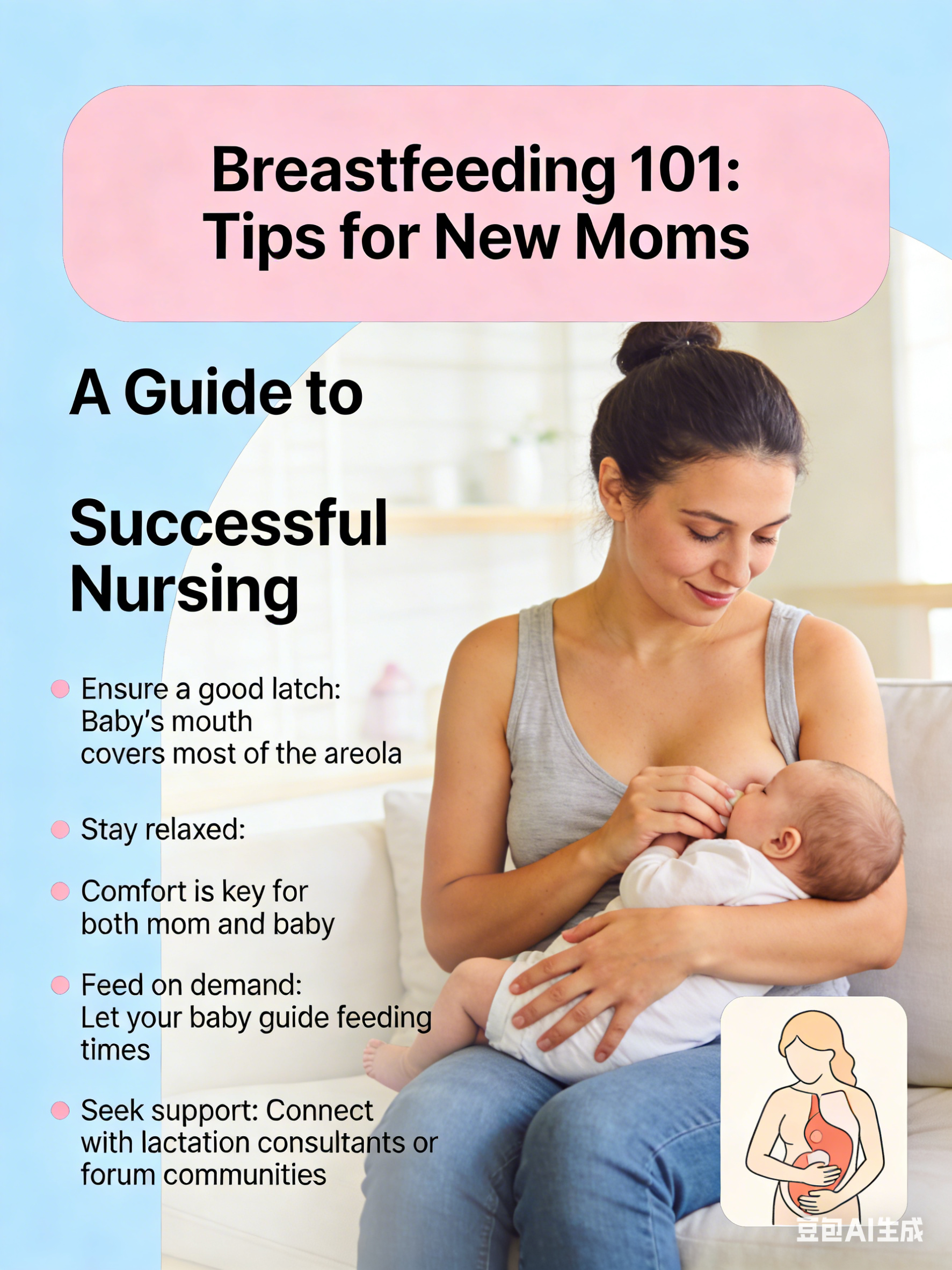




Core Message
The postpartum period sets the foundation for your breastfeeding journey. Success comes from frequent feeding, skilled support, and trusting your body and your baby. It’s a learned skill for both of you, and seeking help is a sign of strength.
Phase-by-Phase Guide: The First Days & Weeks
Phase 1: The Golden First Hour & Day 1
-
Immediate Skin-to-Skin : Place your baby naked on your bare chest right after birth. This calms your baby, regulates their body, and stimulates their instinct to root and latch.
-
The First Latch : Aim for the first breastfeed within the first hour. Colostrum, your first milk, is a concentrated “liquid gold” full of antibodies.
-
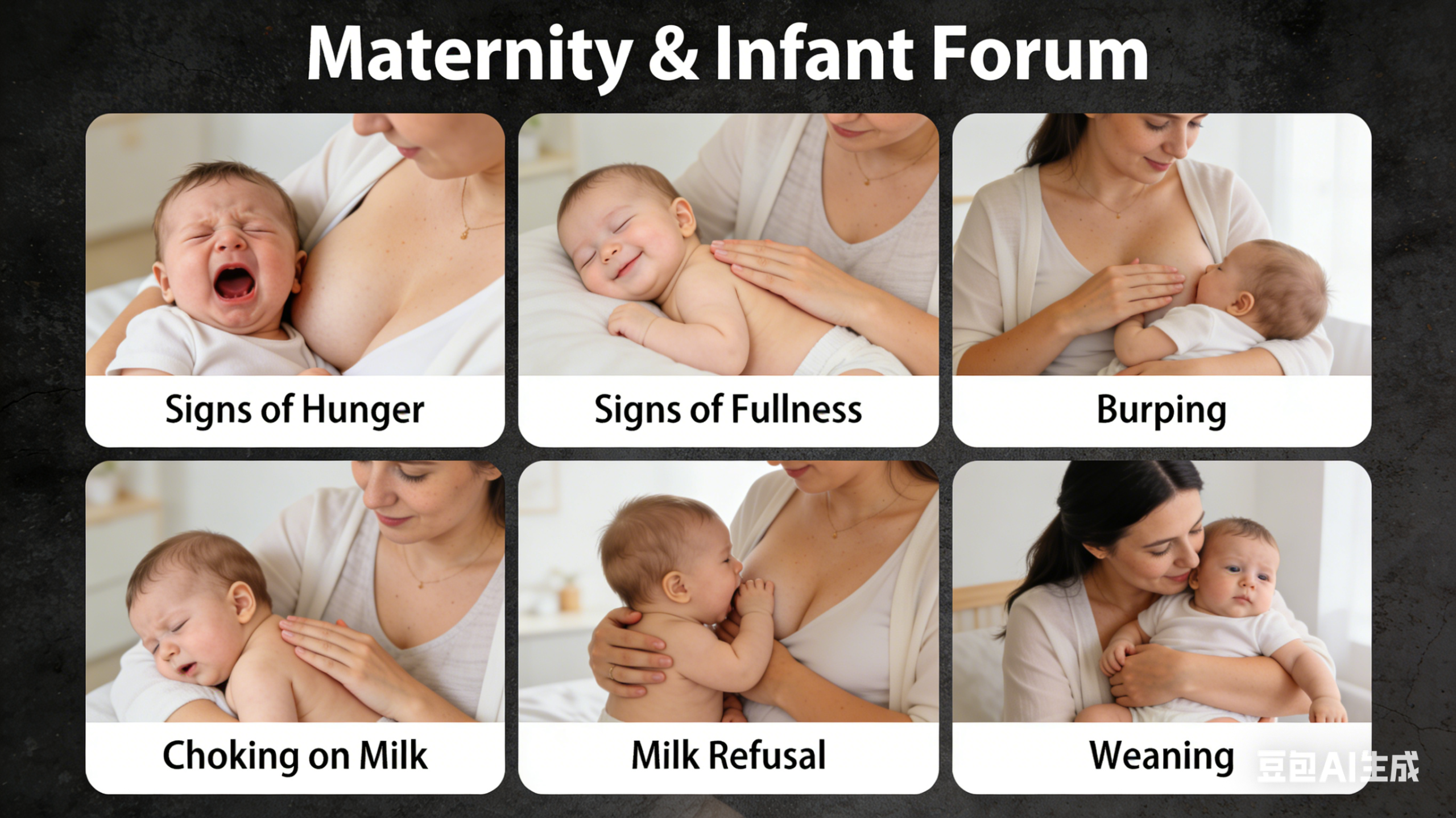
Follow Baby’s Cues : In the first 24 hours, your baby may feed 8-12 times or more. Watch for early hunger signs like stirring, rooting, or sucking on hands.
Phase 2: Days 2-4: Establishing Supply
-
Frequent Feeding is Key : Continue feeding on demand, at least 8-12 times in 24 hours. This tells your body how much milk to make.
-
Track Output, Not Intake : Look for signs your baby is getting enough: by day 4, expect 6+ wet diapers and 3-4 yellowish, seedy stools per day.
-
Cluster Feeding is Normal : Your baby may want to feed very frequently for several hours. This is normal and helps increase your milk supply.
Phase 3: The First Few Weeks: Finding a Rhythm
-
Milk Transition : Your mature milk “comes in” around days 3-5. Breasts may feel fuller. Ensure a good latch to relieve engorgement.
-
Establishing Patterns : You may start to see a more predictable pattern emerge by week 2. Focus on comfort: use pillows, find a relaxed position, and stay hydrated.
-
Weight Check : Most babies lose some weight initially but should regain their birth weight by about 2 weeks. Regular pediatrician visits will track this.
Essential Tips for Success
-
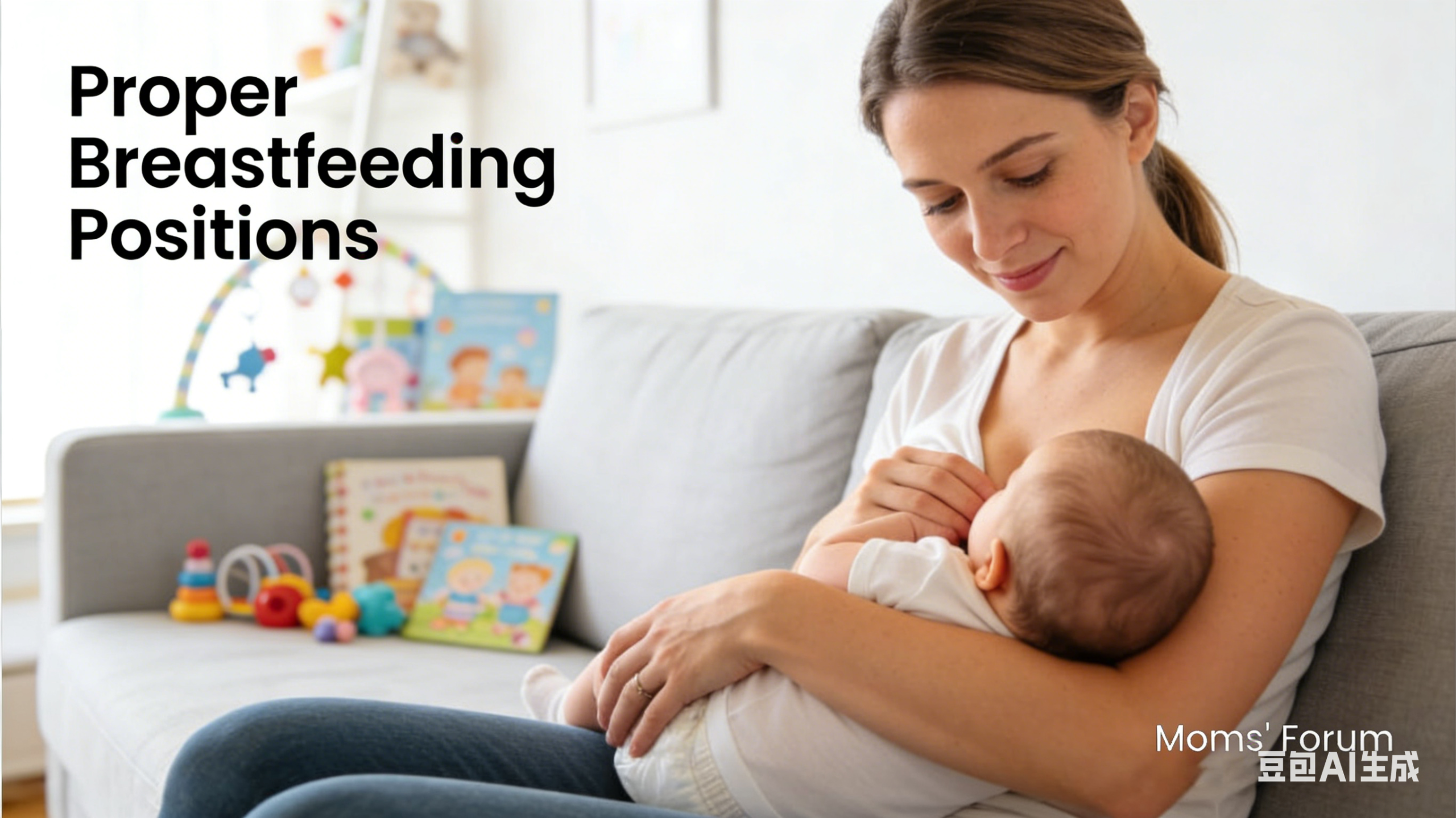
Latch & Positioning : A good latch prevents pain. Baby’s mouth should be wide open, chin pressed into the breast, taking in much of the areola. Use different holds (cradle, cross-cradle, football) to find what’s comfortable.
-
Seek Support Early : Don’t wait to ask for help. Lactation consultants, nurses, and breastfeeding support groups are invaluable for solving issues like latch problems or sore nipples.
-
Care for Yourself : Your well-being matters. Rest when the baby rests, eat nourishing meals, and accept help from your partner or family with household tasks.
-
Know When to Get Help : Contact a healthcare provider if you have a fever (possible mastitis), if baby has fewer than expected wet/dirty diapers, or if you have persistent pain while feeding.
What was the most helpful piece of advice you received about breastfeeding in the first week?
a.本站所有文章,如无特殊说明或标注,均为本站原创发布。
b.任何个人或组织,在未征得本站同意时,禁止复制、盗用、采集、发布本站内容到任何网站、书籍等各类媒体平台。
c.如若本站内容侵犯了原著者的合法权益,可联系我们进行处理。






No comments yet