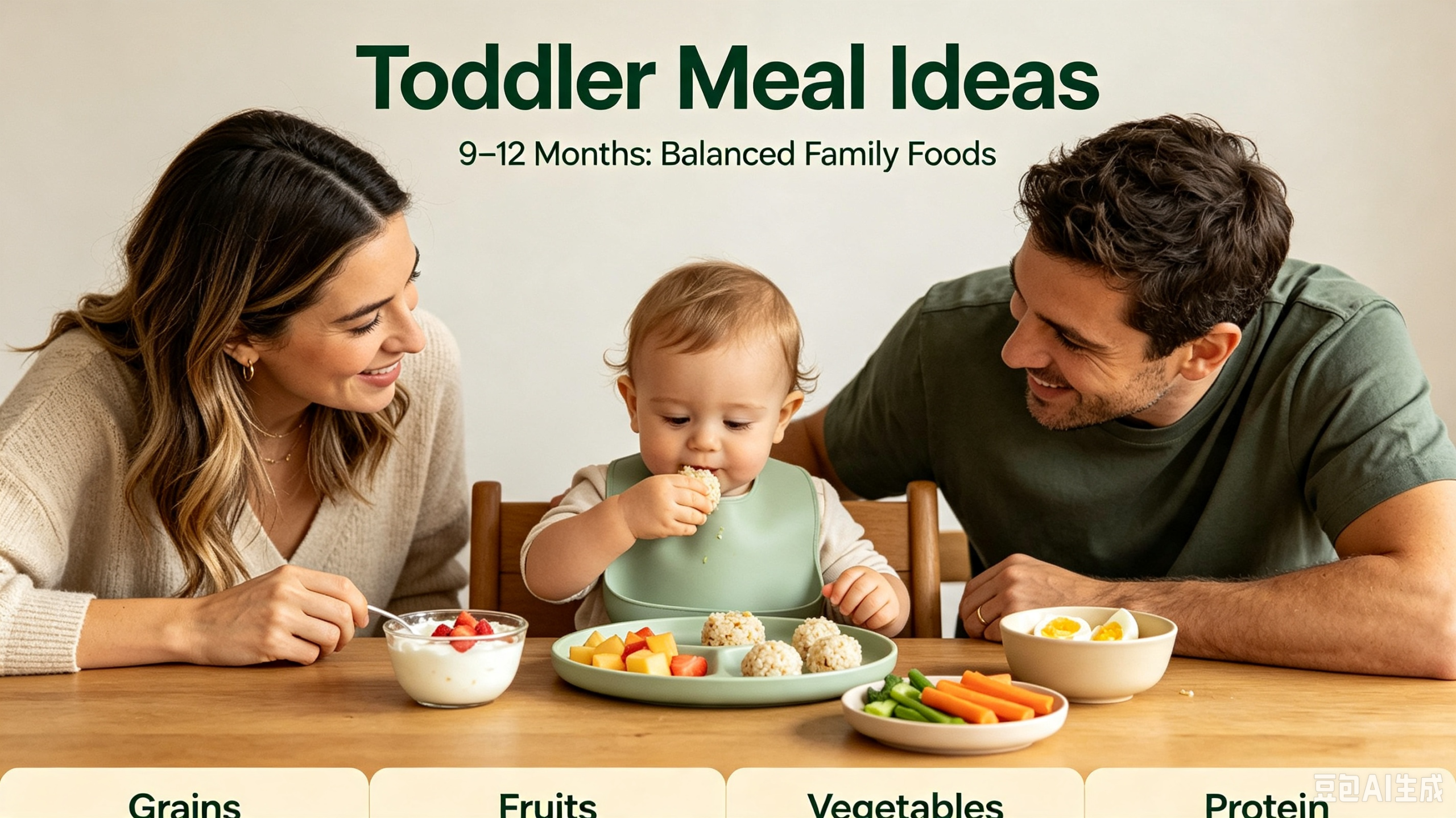




Baby Complementary Feeding: A Stage-by-Stage Guide to Foods and Textures
Introducing solid foods is a journey of discovery for both babies and parents. This guide provides a month-by-month overview of appropriate foods, textures, and key nutritional considerations based on UK guidance, helping you navigate each stage of your baby’s weaning journey.
*Disclaimer: This information is for educational purposes only and does not replace professional medical advice. Always consult your health visitor, GP, or paediatrician for concerns about your baby.*
Part 1: 6–7 Months – First Tastes and Textures
Weaning should begin around 6 months of age, when your baby is developmentally ready. At this stage, the focus is on introducing single foods and exploring new tastes and textures, rather than filling their tummy.
Key principles:
– Begin with **once a day**, at a time that suits you both
– Start with single vegetables to establish a broad palate
– Offer smooth purees, mashes, or soft finger foods
– Trust your baby to eat as much or as little as they want
First Foods to Offer:
| Food Group | Examples | Preparation |
|---|---|---|
| Vegetables | Broccoli, cauliflower, spinach, carrots, parsnips, butternut squash | Cook, then mash, blend, or offer as soft finger foods |
| Fruits | Banana, avocado, cooked apple or pear, mango, kiwi | Mash or blend; no cooking needed for soft fruits |
| Starchy foods | Baby rice, porridge, potato, sweet potato | Mix cereals with breast milk or formula |
| Protein | Well-cooked meat, fish, eggs (British Lion stamped), lentils, beans | Blend to a smooth puree |
Preparation Tip: Start with vegetables that aren’t so sweet (like broccoli, cauliflower, spinach) to help your baby get used to a range of tastes and reduce the likelihood of fussy eating later on.
Texture Progression: By around 7 months, gradually introduce more lumpy textures and finger foods to help your baby learn chewing skills.
Recipe Idea – Avocado and Banana Mash:
Simply mash half a ripe avocado with half a banana to a smooth consistency. A perfect first food full of healthy fats and essential nutrients.
Part 2: 7–9 Months – More Flavours and Textures
By this stage, your baby will be more confident with eating and should be moving towards three meals a day.
Key principles:
– Gradually increase to **three meals a day** (breakfast, lunch, tea)
– Offer a wide variety of foods to ensure adequate iron and nutrients
– Move from smooth purees to **mashed, lumpy foods, and finger foods**
– Continue offering familiar foods, even if rejected previously—it can take up to 10 tries or more!
Foods to Include:
| Food Group | Examples | Notes |
|---|---|---|
| Vegetables | Broccoli, cauliflower, carrot, courgette, parsnip, peas | Offer mashed, chopped, or as finger foods |
| Starchy | Pasta, toast, bread, rice, quinoa | Cut into small pieces; mix with milk or formula |
| Protein | Beef, chicken, lamb, fish (boneless), eggs, lentils, tofu | Rich in iron and zinc, important for babies |
| Dairy | Full-fat, plain yoghurt; pasteurised cheese | Full-fat, unsweetened or plain varieties |
Important: **No added salt or sugar** in your baby’s food. Salty food is not good for their kidneys, and sugar can cause tooth decay.
Recipe Idea – Lentil and Veggie Mash:
Simmer red lentils with chopped carrot and courgette until soft. Mash or blend to desired consistency. Freezes well in portions.
Part 3: 10–12 Months – Wider Variety and Self-Feeding
By now, your baby will be confidently managing lumpy textures and will be eating a wide variety of foods, enjoying three meals a day alongside their milk feeds.
Key principles:
– Three meals a day (each with a main course and a pudding, such as fruit or unsweetened yoghurt)
– Minced and chopped textures rather than mashed
– Wider variety of finger foods, including raw fruits and vegetables
– Around 400ml of formula or continued breastfeeding alongside meals
– No snacks needed before 12 months—offer extra milk if hungry
Meal Structure:
| Meal | What to Include |
|---|---|
| Breakfast | Cereal, porridge, or toast with fruit; milk feed |
| Lunch | Savoury meal with finger foods; dessert (fruit or yoghurt); water |
| Tea | Savoury meal with finger foods; dessert |
Finger Food Ideas for 10–12 Months:
– Raw fruit and vegetable pieces (apple, pear, banana, cucumber, carrot)
– Dried fruit (chopped soft prunes or apricots)
– Starchy foods (breadsticks, rice cakes, toast, pasta)
– Tofu, cooked peas, and chopped beans
Recipe Idea – Cheesy Vegetable Muffins:
Mix egg, milk, grated cheddar, grated courgette, carrot, and flour. Bake until golden. Perfect for batch cooking, freezing, and self-feeding!
Part 4: 13–24 Months – Family Meals and Snacks
From 12 months, your toddler is ready to eat healthier meals with the rest of the family, just in smaller portions and cut into smaller pieces.
Key principles:
– Three meals a day
– **Introduce two healthy snacks** between meals (fruit, vegetable sticks, toast, bread, plain yoghurt)
– Continue with full-fat dairy products (recommended up to age 2)
– Whole pasteurised (full-fat) cow’s milk or formula is no longer needed—toddler milk and growing-up milks are also unnecessary
Foods to Include:
| Food Group | Examples | Notes |
|---|---|---|
| Vegetables | All types, including bitter ones | Serve chopped or as finger foods |
| Starchy | Potato, pasta, rice, bread, toast, porridge | Wholemeal and white varieties |
| Protein | Meat, fish, eggs, beans, lentils, tofu | Continue iron and zinc-rich foods |
| Dairy | Full-fat yoghurt, cheese, whole milk | Lower-fat options are fine for cooking from 12 months |
Healthy Snack Ideas:
– Vegetable sticks (carrot, cucumber, broccoli)
– Fruit slices (apple, banana, pear)
– Toast fingers with hummus or cheese
– Plain, unsweetened yoghurt
– Rice cakes (unsalted and unsweetened)
Continue to avoid added salt and sugar, and limit sweet drinks (squash, fruit juice, milkshakes).
Dairy Recommendations:
– Children under 2 years: Full-fat dairy recommended
– Over 2 years: Lower-fat options can be introduced
– Vitamin D supplementation is recommended for all breastfed babies and children under 5
Summary: Key Points by Stage
| Age | Texture | Meals Per Day | Key Foods | Key Principle |
|---|---|---|---|---|
| 6-7 months | Smooth puree, soft finger foods | 1 (moving to 2) | Single veg/fruit; baby rice | Taste exploration; no rush |
| 7-9 months | Mashed, lumpy, finger foods | 3 | Protein (meat/fish/eggs/lentils); starchy foods; dairy | No added salt/sugar; iron-rich foods |
| 10-12 months | Minced, chopped, wider finger foods | 3 + milk feeds | All food groups; raw fruit/veg; family meals | No snacks; 3 meals + milk |
| 13-24 months | Family meals (chopped) | 3 + 2 snacks | All family foods (low salt/sugar) | Full-fat dairy; transition to cow’s milk |
**Key Resources:**
– NHS Start for Life: www.nhs.uk/start-for-life
– First Steps Nutrition Trust: www.firststepsnutrition.org
– British Dietetic Association: www.bda.uk.com
*References available upon request. Key sources: NHS Best Start in Life, First Steps Nutrition Trust, Netmums, Essex Child and Family Wellbeing Service.*
a.本站所有文章,如无特殊说明或标注,均为本站原创发布。
b.任何个人或组织,在未征得本站同意时,禁止复制、盗用、采集、发布本站内容到任何网站、书籍等各类媒体平台。
c.如若本站内容侵犯了原著者的合法权益,可联系我们进行处理。



No comments yet