




Feeding Positions and Latching: A Professional Guide to Comfortable and Effective Breastfeeding
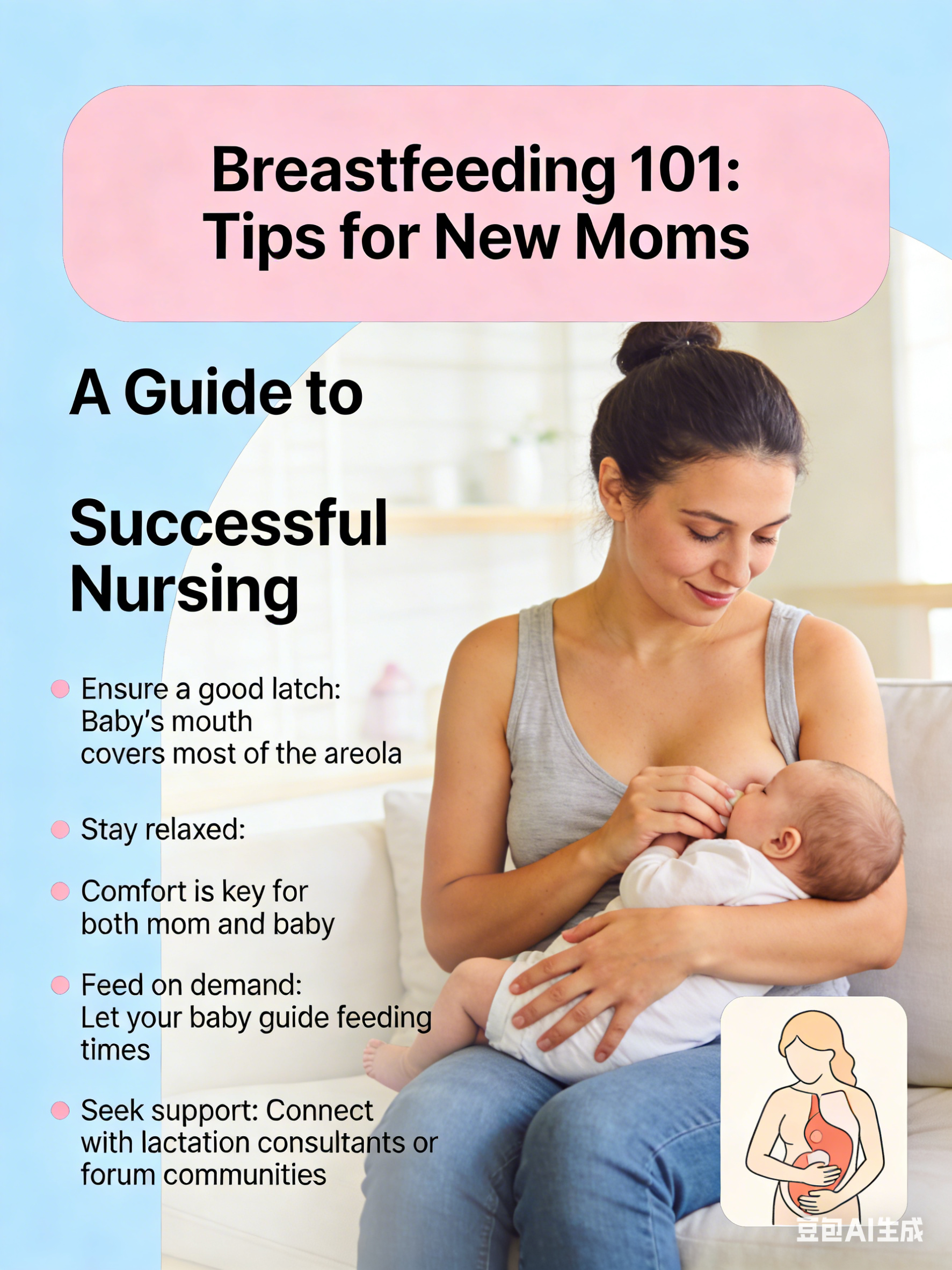
Proper positioning and attachment are the cornerstones of successful breastfeeding . When your baby is well-positioned and attached (latched), they can feed effectively, and you can avoid common issues like nipple pain and blocked ducts . This guide provides evidence-based information on optimal breastfeeding positions for mothers and babies, including special considerations for twins.
*Disclaimer: This information is for educational purposes only and does not replace professional medical advice. Always consult your midwife, lactation consultant, or healthcare provider for concerns about breastfeeding.*
Part 1: The Importance of Positioning and Attachment
Why Positioning Matters
Research highlights the critical importance of proper positioning. A 2025 study of 591 neonates found that 21.2% were nursed with improper positioning, which was associated with significantly higher rates of:
– Breast problems and feeding difficulties
– Excessive weight loss and dehydration (hypernatremia)
– Lethargy, irritability, and mucosal dryness
– Nipple fissures and unsoftened breast after feeding
Correct positioning is the most important thing for successful breastfeeding . When you are in a comfortable, relaxed position, the let-down reflex happens more easily .
Universal Principles for Any Position
– Bring baby to you, not you to baby: Bending over can lead to back and neck problems . Use pillows to support your arms and bring baby to breast height.
– Keep baby’s body aligned: Baby’s head, neck, and spine should be in a straight line, not turned to one side .
– Baby’s body faces you: Baby should be tummy-to-tummy with you, with chest resting against your body .
– Support yourself: Use pillows under your arms, elbows, neck, or back for comfort .
Part 2: Standard Breastfeeding Positions
1. Laid-Back Position (Biological Nurturing)
This baby-led approach allows your baby to use natural instincts to find the breast and self-attach . It is particularly helpful in the early days or if you are having difficulties .
How to do it:
– Recline comfortably on pillows or a bed, in a semi-reclined position .
– Hold your baby skin-to-skin, upright and tummy-down on your chest, between your breasts .
– Allow your baby to bob, squirm, and search for the breast. Support their head and shoulders but do not force the latch .
– Gravity and instinct will guide your baby to attach .
2. Cradle Hold
This is a common, easy hold comfortable for most mothers and babies .
How to do it:
– Sit up with your back supported .
– Hold your baby with their head in the bend of your elbow on the same side as the breast you are using .
– Your open hand supports baby’s bottom or back, with baby’s belly against yours .
– Use your other hand to support your breast and guide it into baby’s mouth .
Note: A biomechanical study found that the cradle hold elicited the highest activity in the left trunk muscles, which may contribute to muscle fatigue over time .
3. Cross-Cradle Hold
This position offers more control and is useful for premature babies or those with a weak suck, as it provides extra head support .
How to do it:
– Hold your baby along the arm opposite the breast you are using (e.g., left arm for right breast) .
– Support baby’s head at the base of the neck with the palm of your hand .
– Your other hand supports and shapes the breast to help baby achieve a deep latch .
– Bring baby to the breast, guiding their head to latch.
Note: This position results in significantly higher anterior trunk lean and muscle activity in the right side, so ensure good back support .
4. Football Hold (Clutch Hold)
This position is excellent if you have had a caesarean section, as it keeps baby away from your incision . It is also helpful for mothers with large breasts, flat nipples, or a strong let-down reflex . It is ideal for breastfeeding twins simultaneously .
How to do it:
– Sit on a bed or sofa with pillows at your side .
– Tuck your baby under your arm on the same side you will be feeding from, with baby lying along your side .
– Support baby’s head, neck, and back with your hand and wrist, with baby’s nose level with your nipple .
– Baby’s legs are extended behind you, under your arm .
Note: A biomechanical study suggested the football hold may pose less risk of breastfeeding-related musculoskeletal disorders compared to cradle and cross-cradle positions .
5. Side-Lying Position
This position is ideal for night feeds and resting while breastfeeding . It is also comfortable after a caesarean section .
How to do it:
– Lie on your side with pillows supporting your head, neck, and back .
– Lie your baby on their side, facing you, with their chest against yours .
– Use your lower arm to support your own head or to support baby under their head .
– Place a pillow or rolled blanket behind baby’s back for support .
– Use your top hand to support your breast and guide your nipple to baby’s mouth .
Safety Warning: Never fall asleep with your baby on a sofa or armchair, as this increases the risk of Sudden Infant Death Syndrome (SIDS) .
6. Koala Hold (Straddle Hold)
This upright position is good for babies with reflux, ear infections, tongue-tie, low muscle tone, or hip dysplasia . It is easier for babies who can sit with support.
How to do it:
– Your baby sits straddling your thigh or on your hip, facing you .
– Support your baby’s back and head as needed.
– Baby’s back and head remain upright while breastfeeding .
Part 3: Feeding Twins
Breastfeeding two babies simultaneously requires practice but can be very efficient. The key is to find positions that work for both babies and to use plenty of support.
Recommended Positions for Twins
| Position | How It Works | Tips |
|---|---|---|
| Double Football Hold | Both babies are tucked under each arm, like holding two footballs . | Use a large U-shaped nursing pillow to support both babies at breast height. |
| Combination Hold | One baby in cradle hold, one in football hold. | Babies criss-cross on your lap. Requires good pillow support. |
| Parallel Hold | Both babies in cradle hold, with their bodies lying parallel to yours. | Works well with a supportive pillow; babies’ legs may overlap. |
| Laid-Back with Twins | Recline and let both babies find their own position on your chest. | Excellent for skin-to-skin and allowing babies to self-attach . |
Key Tips for Twin Breastfeeding:
– Get comfortable first: Set up your space with plenty of pillows or a twin nursing pillow before bringing babies to the breast.
– Bring babies to you: Have someone hand you the babies once you are positioned.
– Alternate sides: Switch which baby feeds on which side at each feeding to ensure both breasts are stimulated equally.
– Seek support: A lactation consultant experienced with twins can be invaluable.
Part 4: How to Help Your Baby Latch Correctly
There are two approaches to latching: baby-led and mother-led .
Baby-Led Approach
1. Create a calm environment and recline comfortably (laid-back position) .
2. Hold your baby skin-to-skin, upright between your breasts .
3. Allow your baby to lead—they will bob their head, squirm, and search for the breast .
4. Support their head and shoulders, but avoid the temptation to help them latch. Let them find the breast on their own .
Mother-Led Approach (If baby-led is not working)
1. Stage 1: Hold your baby close, with their nose level with your nipple .
2. Stage 2: Let baby’s head tip back slightly, brushing their top lip against your nipple. This stimulates them to open their mouth wide .
3. Stage 3: When baby’s mouth is wide open, bring them to your breast, aiming your nipple toward the roof of their mouth .
Signs of a Good Latch
| Good Latch Indicators | Problem Indicators |
|---|---|
| Latch feels comfortable, no pinching or pain | Pain throughout the feed; nipple looks flattened or compressed afterward |
| Baby’s chin is pressed into your breast | Chin away from breast |
| Mouth is wide open, with lips turned outward like “fish lips” | Lips tucked in |
| More areola visible above baby’s top lip than below bottom lip | Even amount of areola visible, or mostly nipple |
| Cheeks appear full and rounded, not dimpling | Cheeks dimple with sucking (indicating shallow latch) |
| You hear or see swallowing; baby’s ears “wiggle” slightly | Smacking or clicking sounds |
| Baby finishes feeding calmly and seems satisfied | Baby fussy, comes on and off the breast |
Part 5: Common Latching Problems and Solutions
1. Painful Feeding
– Problem: If breastfeeding hurts, your baby may be sucking on only the nipple .
– Solution: Gently break baby’s suction by inserting a clean finger into the corner of their mouth. Try again for a deeper latch. Check your nipple after feeding—it should look round, not flat or compressed .
2. Weak or Shallow Suck
– Problem: Tiny sucking movements without deep swallowing may indicate a shallow latch .
– Solution: Break suction and try again. Ensure baby’s mouth is wide open before bringing them to the breast .
3. Fussiness at the Breast
– Problem: Baby seems frustrated or pulls away.
– Solution: Take a short break, hold baby upright skin-to-skin, and try again in a little while .
4. Tongue-Tie (Ankyloglossia)
– Problem: A tight or short lingual frenulum (the tissue attaching the tongue to the floor of the mouth) can make latching difficult. Babies may be unable to extend their tongue past the lower gum or properly cup the breast .
– Solution: This can cause slow weight gain and nipple pain. If you suspect tongue-tie, talk to your doctor or lactation consultant .
Part 6: Preventing and Managing Common Issues
| Issue | Prevention/Management |
|---|---|
| Sore or Cracked Nipples | Ensure deep latch; express a little breast milk and rub onto nipples after feeds (breast milk has antibacterial properties) ; use pure lanolin if recommended; wear loose, breathable clothing . |
| Clogged Milk Ducts | Feed frequently from the affected breast; try different positions to fully drain all areas; gently massage the breast, especially during warm showers; wear loose clothing . |
| Engorgement | Feed frequently; hand express a little before feeding to soften the areola; apply cold packs after feeds to reduce swelling. |
| One-Sided Preference | Try different positions; offer the less preferred side when baby is sleepy or very hungry; pump from the less preferred side to maintain supply . |
Summary: Key Points for Success
– Position is everything: Bring baby to breast, keep baby aligned, and support yourself .
– Latch deep, not shallow: Aim for an asymmetric latch with more areola visible above the top lip .
– Follow baby’s cues: Feed on demand, 8-12 times in 24 hours .
– Pain is a red flag: Seek help if feeding is consistently painful .
– Early support matters: Most breastfeeding challenges are resolvable with skilled help. Don’t wait to ask your midwife or lactation consultant.
Key Resources:
– Association of Breastfeeding Mothers: www.abm.me.uk
– La Leche League: www.laleche.org.uk
– National Breastfeeding Helpline: 0300 100 0212
*References available upon request. Key sources: HSE Ireland , U.S. Office on Women’s Health , UPMC , PubMed 2025 study , Natural Cycles with The Lactation Network .*
a.本站所有文章,如无特殊说明或标注,均为本站原创发布。
b.任何个人或组织,在未征得本站同意时,禁止复制、盗用、采集、发布本站内容到任何网站、书籍等各类媒体平台。
c.如若本站内容侵犯了原著者的合法权益,可联系我们进行处理。








No comments yet