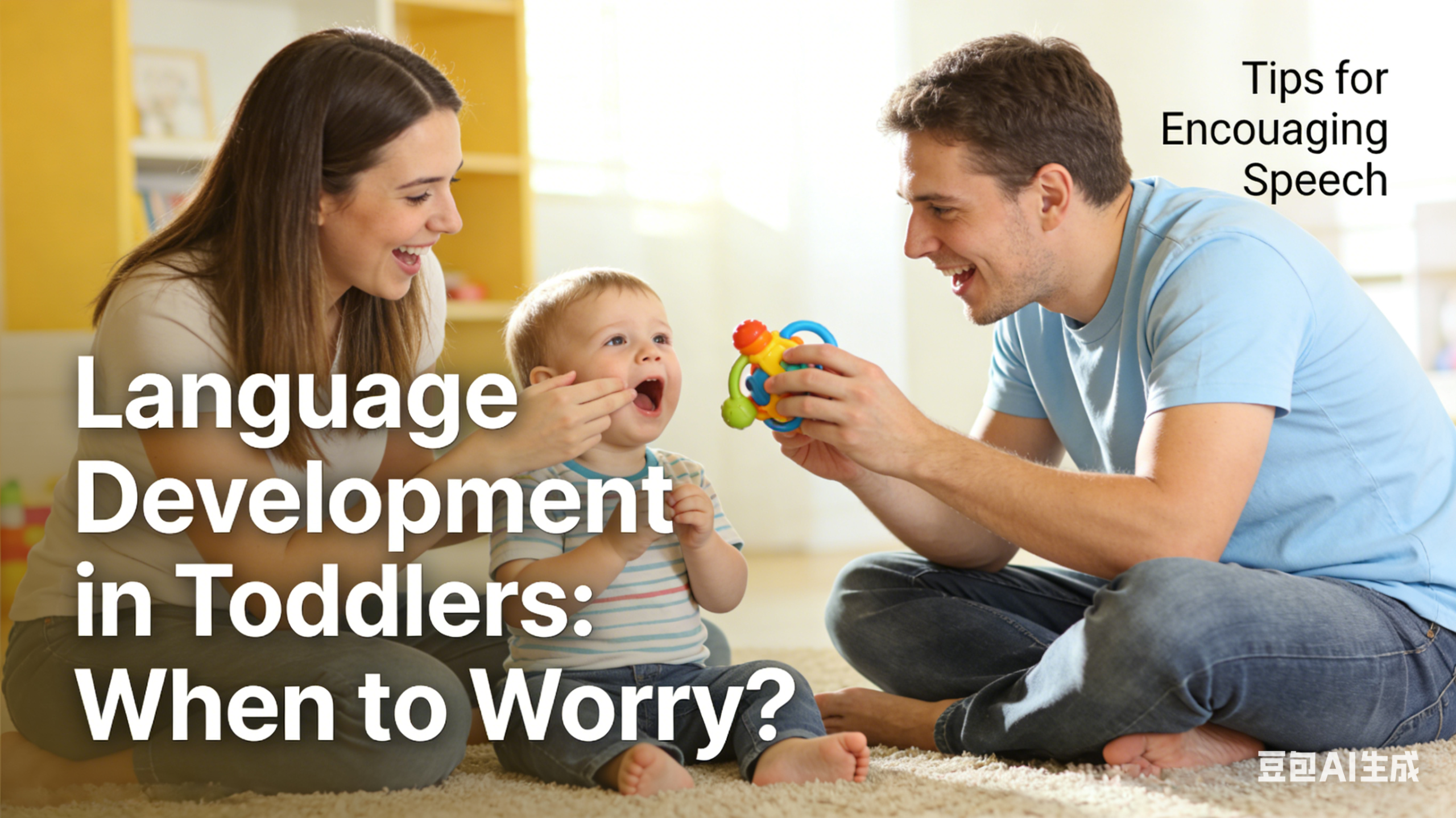




Baby Growth and Development: A Professional Guide to Language Development and Late Talking
Language development is one of the most exciting—and sometimes concerning—aspects of early childhood. Understanding typical milestones, common variations, and evidence-based strategies for supporting communication helps parents nurture their child’s language skills with confidence. This guide provides professional insights into how language develops, what to do if your child seems to be talking later than peers, and how to address common concerns such as stuttering, “baby talk,” and articulation difficulties.
*Disclaimer: This information is for educational purposes only and does not replace professional medical or developmental advice. Always consult your health visitor, GP, or speech and language therapist for concerns about your child.*
1. Typical Language Development Milestones
Language development follows a predictable sequence, though the timing varies widely. The following milestones represent typical ranges; many children develop language slightly earlier or later without any underlying issue.
| Age | Receptive Language (Understanding) | Expressive Language (Speaking) |
|---|---|---|
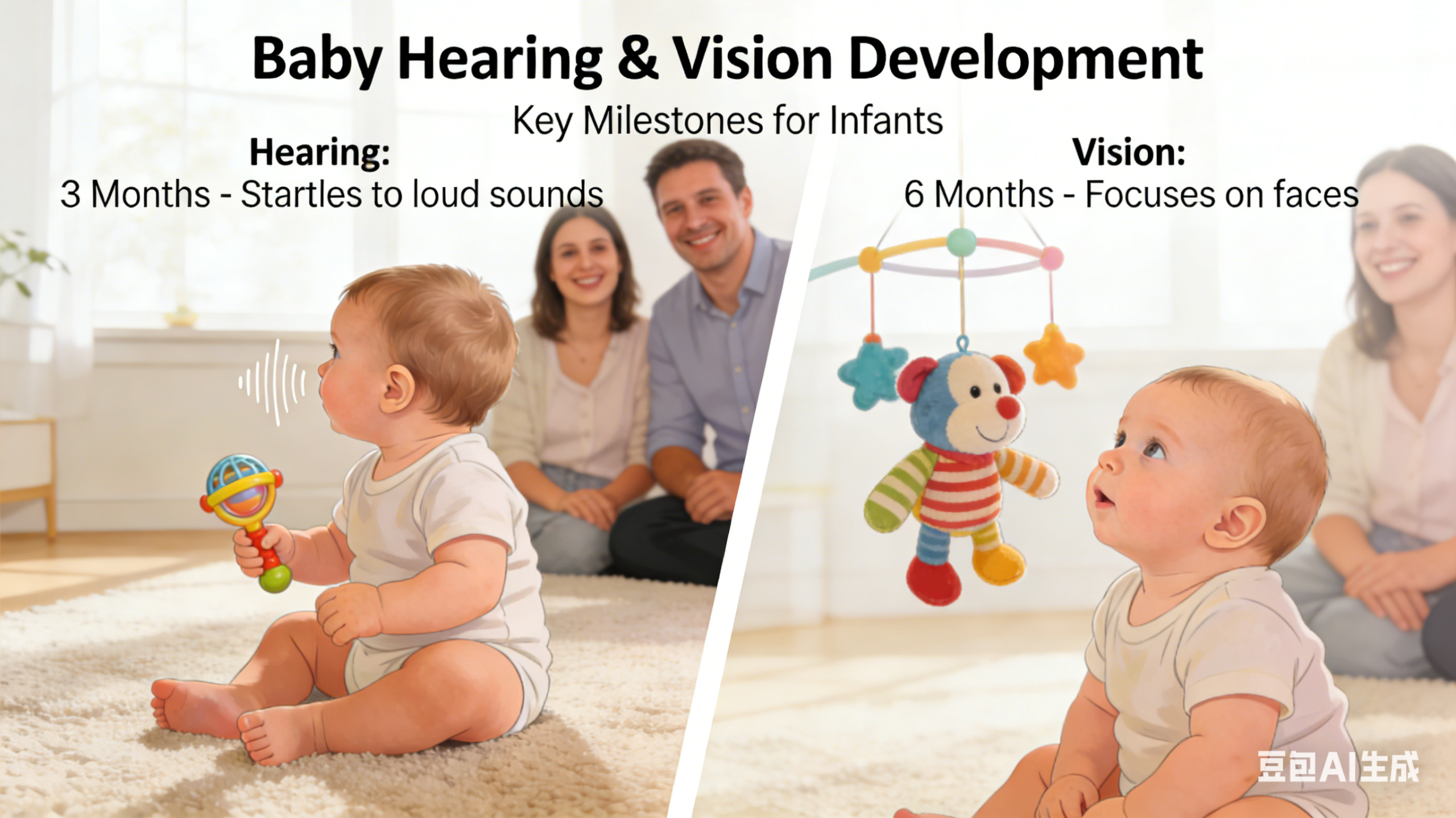
| Birth to 3 months | Startles at loud sounds; turns head toward sounds; quiets to familiar voice. | Makes cooing, gurgling sounds; cries differently for different needs. |
| 4 to 6 months | Looks toward sounds; responds to changes in tone; notices toys that make sounds. | Babbling begins; makes sounds like “ba,” “da,” “ma”; laughs and squeals. |
| 7 to 12 months | Responds to own name; understands simple words (“no,” “bye-bye,” “cup”); looks at objects when named. | Uses gestures (pointing, waving); says first words (around 12 months); babbles with varied sounds. |
| 12 to 18 months | Follows simple commands (“give me the ball”); points to body parts when asked; understands 50+ words. | Uses 3-20 words; words may not be clearly pronounced; repeats sounds and words. |
| 18 to 24 months | Understands simple questions (“Where is your shoe?”); follows 2-step commands; understands 200+ words. | Uses 50-100 words; begins combining 2 words (“mummy up,” “more milk”); uses some pronouns. |
| 2 to 3 years | Understands opposites (big/little); follows 3-step commands; understands most daily conversation. | Uses 200-1000 words; speaks in 3-4 word sentences; asks simple questions; speech is mostly understandable to family. |
2. How to Encourage Your Child’s Language Development
| Age | Strategies |
|---|---|
| Newborn to 6 months | Talk to your baby throughout the day; narrate what you are doing. Respond to coos and babbles with face-to-face interaction. Sing songs and recite nursery rhymes. Make eye contact and smile while talking. |
| 6 to 12 months | Name objects and actions as they occur (“Here is your cup”). Respond to gestures and pointing; use pointing and gestures yourself. Read board books daily, pointing to pictures. Imitate the sounds your baby makes and add new ones. |
| 12 to 18 months | Expand on your child’s words (“You said ball. Yes, that’s a big red ball!”). Use simple, clear language. Offer choices (“Do you want milk or water?”). Play simple games (peek-a-boo, pat-a-cake). |
| 18 to 24 months | Read books together daily, asking questions about pictures. Use descriptive language (“Let’s put on your soft, blue sweater”). Give simple, clear instructions. Encourage pretend play (feeding dolls, talking on a toy phone). |
| 2 to 3 years | Ask open-ended questions (“What did you see at the park?”). Expand your child’s sentences (“I see car” → “Yes, I see the red car”). Provide time for your child to respond without finishing their sentences. Read stories with simple plots and talk about what happened. |
Key principles:
– **Follow the child’s lead:** Talk about what your child is interested in
– **Use self-talk and parallel talk:** Narrate what you are doing and what your child is doing
– **Create communication opportunities:** Place toys out of reach to encourage requesting
– **Limit background noise:** Television or music can interfere with language learning
– **Avoid correcting:** Instead of “No, that’s not how you say it,” model the correct version naturally
3. What If My Child Is a “Late Talker”?
Definition: A late talker is typically defined as a child between 18-30 months who has a limited vocabulary for their age but has no other developmental delays (plays appropriately, understands language well, and has age-appropriate social skills).
When a child is likely a late talker (rather than having a language disorder):
– Understands language well (follows instructions, responds to name)
– Uses gestures effectively (pointing, waving)
– Shows age-appropriate play and social skills
– Demonstrates normal hearing
– Has no other developmental concerns
When a child may have a language disorder requiring evaluation:
– Limited understanding of language (does not follow simple instructions)
– Does not use gestures or eye contact
– Limited social engagement or unusual social communication
– Loss of previously acquired language (regression)
– Family history of language disorders or developmental conditions
Common Causes of Late Talking
| Cause | Explanation |
|---|---|
| Normal variation | Most common reason; some children focus on motor skills first and language follows |
| Hearing difficulties | Intermittent hearing loss from ear infections can affect language development |
| Reduced language exposure | Limited opportunities for conversation, reading, and verbal interaction |
| Oral-motor difficulties | Difficulty coordinating mouth movements for speech |
| Developmental language disorder | A specific difficulty with language processing (affects 7-8% of children) |
| Global developmental delay | Language delay occurs alongside delays in other areas |
| Autism spectrum disorder | May include language delay with social communication differences |
What Parents Can Do for a Late-Talking Child
1. Rule out hearing concerns: Ensure your child’s hearing has been checked, especially if there have been frequent ear infections.
2. Increase language-rich interactions:
– Narrate daily activities
– Read books together daily (even if child won’t sit still, try short sessions)
– Use simple, repetitive language
– Respond to all attempts at communication (gestures, sounds, words)
3. Encourage communication, not perfection:
– Accept gestures and approximations
– Avoid insisting on verbal responses
– Create opportunities for communication (offer choices, pause expectantly)
4. Limit screen time: The American Academy of Pediatrics recommends no screens for children under 18 months (except video calls). For toddlers 18-24 months, co-view high-quality content and talk about it together. Excessive screen time is associated with language delays .
5. Seek evaluation if concerns persist: If your child has not started combining words by 24 months or if you have ongoing concerns, request a speech and language therapy evaluation. Early intervention is highly effective.
4. Specific Language Concerns
Stuttering
Typical vs. concerning stuttering:
Many children go through a phase of “normal non-fluency” between ages 2-4 as language skills develop rapidly. This typically resolves on its own.
| Normal Non-Fluency (Usually Resolves) | Concerning Stuttering (May Need Support) |
|---|---|
| Occasional repetition of sounds or words (“I-I-I want”) | Frequent repetition (more than 10% of speech) |
| Phrases like “um,” “uh” between words | Prolonged sounds (“sssssssoup”) |
| Fluency improves when child is relaxed | Physical tension (eye blinking, facial grimacing) |
| Lasts less than 6 months | Avoidance of words or situations |
| Family history of stuttering is rare | Child shows frustration or embarrassment |
What to do:
– Do not correct or tell child to “slow down” or “think before you speak”
– Maintain relaxed eye contact and listen patiently
– Model slow, relaxed speech without asking child to copy
– Reduce pressure to talk (avoid asking to perform for others)
– If stuttering persists beyond 6 months or causes distress, seek evaluation
Baby Talk (Motherese) – Is It Harmful?
Infant-directed speech (sometimes called “baby talk”)—characterised by higher pitch, exaggerated intonation, slower tempo, and simplified words—is **beneficial** for infants.
Why it helps:
– Captures and holds infant attention
– Highlights word boundaries, helping babies identify separate words
– Communicates emotion and warmth
– Supports bonding
When to adjust:
– For infants under 12 months, infant-directed speech supports language development
– As children begin forming their own sentences (around 18-24 months), it is helpful to model **correct grammar and pronunciation** while maintaining a warm, engaging tone
– Avoid excessive use of **made-up words** (e.g., “wawa” for water) once child begins speaking; use the correct word alongside any affectionate nickname
Articulation Difficulties (“Lisp” or “Slurred Speech”)
Many speech sound errors are developmentally normal and resolve with time. The following sounds typically develop at these ages:
| Sound | Age of Mastery (Typical) |
|---|---|
| p, b, m, h, w | 2-3 years |
| k, g, d, t, ng | 3-4 years |
| f, v, y | 4-5 years |
| l, sh, ch, j | 5-6 years |
| r, s, z, th | 6-8 years |
When to be concerned about articulation:
– Speech is unintelligible to family by age 3
– Frustration or avoidance of talking due to being misunderstood
– Certain sound errors persist beyond typical ages (e.g., “wabbit” for “rabbit” after age 6)
– Drooling or difficulty coordinating mouth movements for eating
What to do:
– Model correct pronunciation without correcting or drawing attention to errors
– If you are concerned, a speech and language therapist can assess whether the errors are developmental or require intervention
5. When to Seek Professional Help
Contact your health visitor, GP, or request a speech and language therapy referral if your child:
– Does not respond to sounds or own name by 6-9 months
– Does not babble by 12 months
– Does not use gestures (pointing, waving) by 12 months
– Has no words by 16-18 months
– Cannot follow simple instructions by 18 months
– Uses fewer than 50 words or does not combine words by 24 months
– Loses previously acquired language (regression) at any age
– Stuttering persists beyond 6 months or causes distress
– Speech is difficult to understand beyond expected age
– You have any concerns about hearing or communication
Summary: Key Principles
| Principle | Practice |
|---|---|
| Follow the child’s lead | Talk about what interests your child; respond to their attempts |
| Create opportunities | Give choices, pause expectantly, place toys out of reach |
| Expand, don’t correct | Model correct language without pointing out errors |
| Read daily | Books provide rich language exposure in a natural context |
| Limit screens | Prioritise face-to-face interaction for language learning |
| Trust your instincts | If you are concerned, seek evaluation—early intervention makes a difference |
**Key Resources:**
– Speech and Language UK (formerly I CAN): speechandlanguage.org.uk
– National Literacy Trust: literacytrust.org.uk
– NHS Start for Life: www.nhs.uk/start-for-life
*References available upon request. Key sources: Speech and Language UK , NHS , American Academy of Pediatrics , 广东省妇幼保健院 , 重庆医科大学附属儿童医院 .*
a.本站所有文章,如无特殊说明或标注,均为本站原创发布。
b.任何个人或组织,在未征得本站同意时,禁止复制、盗用、采集、发布本站内容到任何网站、书籍等各类媒体平台。
c.如若本站内容侵犯了原著者的合法权益,可联系我们进行处理。








No comments yet