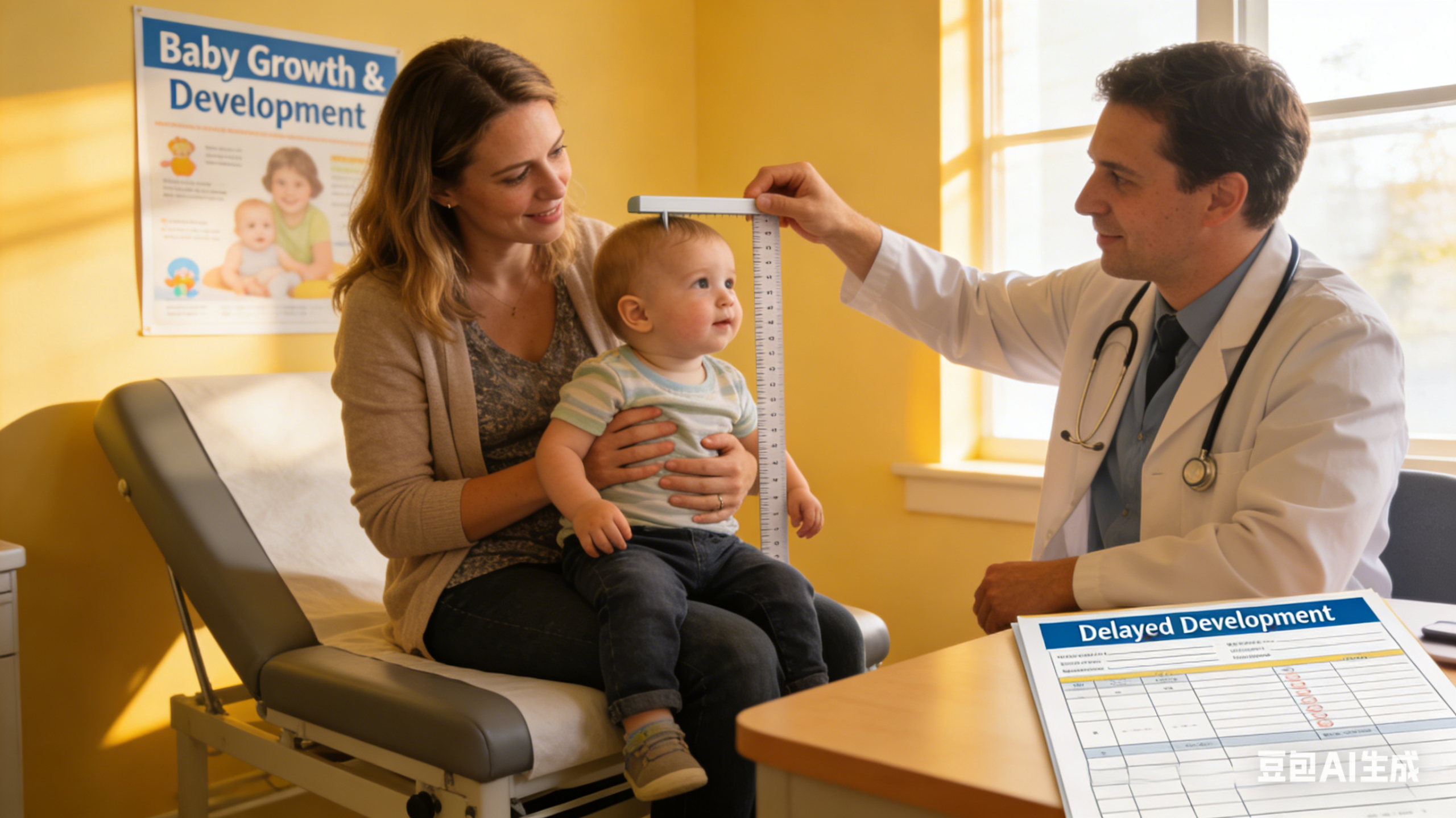




Baby Growth and Development: A Professional Guide to Developmental Delay
Watching your baby grow and reach new milestones is one of the most rewarding aspects of parenthood. However, when progress seems slower than expected, it can understandably cause concern. Understanding what developmental delay means, how to recognise it, and when to seek support empowers parents to act early—when intervention is most effective. This guide provides evidence-based information on the causes, signs, and appropriate responses to developmental delay in infants and young children.
*Disclaimer: This information is for educational purposes only and does not replace professional medical or developmental advice. Always consult your health visitor, GP, or paediatrician for concerns about your child.*
1. What Is Developmental Delay?
Developmental delay refers to a child who has not reached expected milestones in one or more areas of development. Delay may be:
– Isolated: Affecting only one domain (e.g., speech only)
– Global: Affecting two or more domains (e.g., speech, motor skills, and social skills)
Domains of development:
| Domain | What It Includes |
|---|---|
| Gross motor | Large movements: rolling, sitting, crawling, walking, running |
| Fine motor | Small movements: grasping, holding objects, drawing, manipulating toys |
| Language and communication | Understanding words, speaking, using gestures, social communication |
| Cognitive | Problem-solving, learning, memory, attention |
| Social and emotional | Interaction with others, responding to emotions, forming relationships |
Key principle: Development is not a race, and there is wide individual variation. A child who is slightly behind in one area but progressing steadily is often following their own normal pattern. Concern arises when a child is significantly behind in one or more domains or when skills appear to plateau or regress.
2. What Causes Developmental Delay?
Developmental delay can result from a wide range of factors, often in combination.
| Category | Examples |
|---|---|
| Prenatal factors | Genetic conditions (Down syndrome, fragile X); metabolic disorders; maternal infections (rubella, cytomegalovirus); exposure to alcohol, drugs, or certain medications in utero; prematurity |
| Perinatal factors | Birth asphyxia (oxygen deprivation); very low birth weight; intracranial haemorrhage; neonatal infections |
| Postnatal factors | Severe illness (meningitis, encephalitis); traumatic brain injury; malnutrition; chronic illness (heart disease, kidney disease); environmental deprivation (limited stimulation, neglect) |
| Sensory impairments | Hearing loss (affects language development); vision impairment (affects motor and cognitive development) |
| Social and environmental factors | Limited language exposure; lack of play opportunities; caregiver mental health difficulties; social isolation |
Important note: In many cases, the exact cause of developmental delay is not identified. The focus should be on identifying the child’s needs and providing appropriate support rather than on determining a cause.
3. How to Recognise Developmental Delay
Developmental delay is identified by comparing a child’s skills to typical age-related milestones. However, a single delayed milestone is rarely cause for concern. Professionals look for patterns of delay across time.
Key warning signs by age:
| Age | Red Flags |
|---|---|
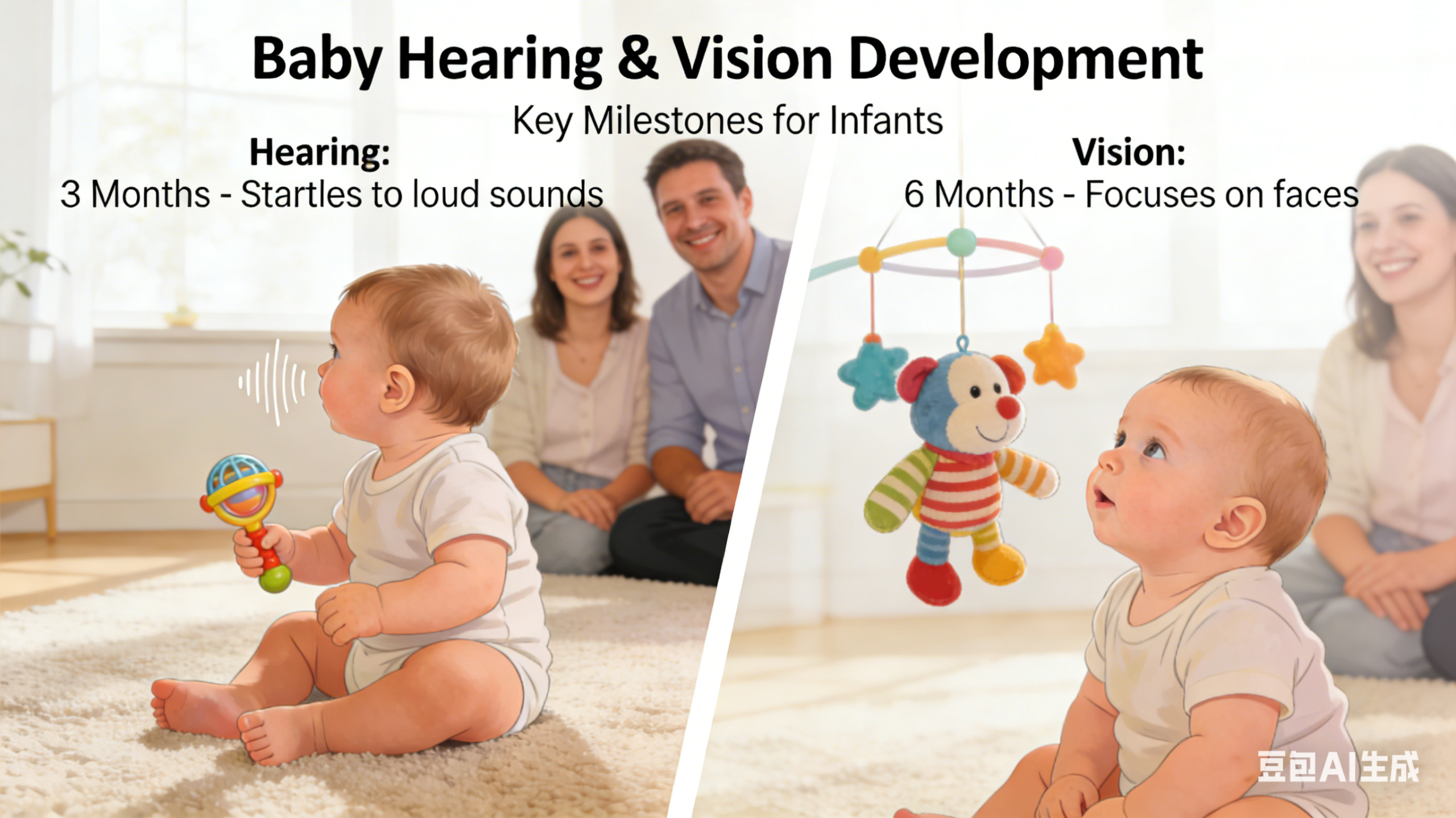
| By 3 months | Does not startle at loud sounds; does not follow moving object with eyes; does not hold head up briefly during tummy time; does not smile at familiar people |
| By 6 months | Does not reach for objects; does not roll over; does not respond to sounds or turn toward voices; does not laugh or squeal |
| By 9 months | Cannot sit without support; does not babble (“ba,” “ma”); does not respond to own name; does not transfer objects between hands |
| By 12 months | Does not crawl; does not point or use gestures; does not say any words; cannot stand when supported |
| By 18 months | Does not walk independently; does not use at least 6-10 words; does not imitate actions; does not point to objects of interest |
| By 24 months | Does not combine two words; cannot follow simple instructions; does not use pretend play; loses previously acquired skills |
| Any age | Loss of any previously acquired skill (regression); persistent poor eye contact; significant difficulty with feeding or swallowing; unusual repetitive movements |
Types of delay patterns:
| Pattern | What It May Indicate |
|---|---|
| Isolated motor delay | May be benign variation (e.g., “late walker”); sometimes associated with low muscle tone or coordination difficulties |
| Isolated language delay | May be “late talker” (normal understanding) or developmental language disorder (difficulty understanding and/or expressing) |
| Global developmental delay | Significant delay in two or more domains; warrants comprehensive evaluation |
| Plateau or regression | Loss of previously acquired skills is always concerning; requires urgent evaluation |
| Asymmetrical delay | Delay affecting one side of the body; may indicate neurological condition |
4. What to Do If You Suspect Developmental Delay
Step 1: Document Your Observations
Keep a simple record of:
– Milestones your child has achieved (and when)
– Areas where you have concerns
– Any regression (loss of skills)
– Your child’s health, feeding, and sleep patterns
Step 2: Arrange Hearing and Vision Checks
Undiagnosed hearing or vision impairment can significantly affect development. Ensure your child has had:
– Newborn hearing screening (if not done, request a hearing test)
– Vision assessment (if you have concerns about eye contact, tracking, or visual responsiveness)
Step 3: Discuss Concerns with Your Health Visitor or GP
Your health visitor or GP can:
– Plot your child’s growth and head circumference on centile charts
– Use standardised developmental screening tools
– Identify whether further assessment is needed
– Refer to specialist services (paediatrician, speech and language therapy, physiotherapy, occupational therapy)
Step 4: Engage with Early Intervention Services
If a delay is identified, early intervention is crucial. The first three years are a period of rapid brain development, and early support can significantly improve outcomes.
Services that may be involved:
– Speech and language therapy: For communication difficulties
– Physiotherapy: For motor delays, low muscle tone, or coordination difficulties
– Occupational therapy: For fine motor skills, daily living skills, and sensory processing
– Paediatrician: For comprehensive assessment and management of underlying conditions
– Educational psychology: For cognitive and learning concerns
Step 5: Support Development at Home
While awaiting assessment or alongside professional support, you can create a nurturing environment that promotes development:
| Domain | What You Can Do |
|---|---|
| Motor | Provide plenty of floor time; limit time in containers (car seats, bouncers); offer safe opportunities for climbing, reaching, and grasping |
| Language | Talk, read, and sing daily; narrate daily activities; respond to all communication attempts (sounds, gestures, words) |
| Cognitive | Offer age-appropriate toys that encourage problem-solving (shape sorters, stacking cups, cause-and-effect toys); follow your child’s interests |
| Social-emotional | Engage in face-to-face interaction; respond to your child’s cues; provide consistent, predictable routines; create opportunities for safe social interaction |
5. When to Seek Urgent Medical Attention
While most developmental concerns can be addressed through routine services, certain signs require prompt medical evaluation.
Seek urgent assessment if your child:
| Sign | Possible Significance |
|---|---|
| Loses previously acquired skills | Regression may indicate neurological or metabolic conditions |
| Has significant feeding or swallowing difficulties | May indicate underlying neurological or structural issues |
| Has persistently abnormal muscle tone (floppy or stiff) | May indicate neuromuscular or neurological conditions |
| Has seizures or unusual movements | May indicate seizure disorder or other neurological condition |
| Has no eye contact or social responsiveness | May indicate autism spectrum disorder or other developmental condition requiring early support |
| Has a head circumference that crosses centiles rapidly upward | May indicate hydrocephalus (fluid accumulation in the brain) |
| Has a head circumference that flattens or crosses centiles downward | May indicate microcephaly or failure of brain growth |
When to request a paediatric referral:
– Global developmental delay (delay in two or more domains)
– Any regression of skills
– Concerns about possible autism spectrum disorder
– Significant motor asymmetry or abnormal tone
– Suspicion of genetic or metabolic condition
– Delay that persists despite early intervention
6. The Importance of Early Intervention
Why early matters:
| Concept | Explanation |
|---|---|
| Neuroplasticity | The brain is most adaptable in the first three years of life. Early intervention takes advantage of this period of rapid development |
| Skill building | Early support helps children build foundational skills that affect later learning |
| Family support | Early identification allows families to access resources, strategies, and support networks |
| Prevention of secondary difficulties | Addressing delays early can prevent or minimise related difficulties (e.g., language delay affecting social development, motor delay affecting play and exploration) |
Evidence: Research consistently shows that children who receive early intervention for developmental delays make greater progress than those who receive later support.
7. A Reassuring Perspective
Most children follow their own unique developmental trajectory. Some are early walkers, others early talkers. A single “missed” milestone is rarely cause for concern. However, if you have persistent concerns, trust your instincts. You know your child best.
Remember:
– Development is not linear—children may make rapid progress in one area while consolidating in another
– Premature children are assessed by their corrected age until at least 2 years
– Seeking help is not “overreacting”—it is advocating for your child
– Early intervention is not about labelling your child; it is about providing the right support at the right time
Summary: Key Points
| Area | Key Message |
|---|---|
| Recognition | Delay is identified by comparing to typical milestones; look for patterns, not single missed milestones. |
| Causes | Wide range of prenatal, perinatal, postnatal, and environmental factors; cause not always identified. |
| Response | Document observations; rule out hearing/vision; discuss with health visitor or GP; engage early intervention services. |
| Urgent signs | Loss of skills, significant feeding difficulty, abnormal muscle tone, rapid head circumference changes. |
| Early intervention | The first three years are critical for brain development; early support improves outcomes. |
**Key Resources:**
– NHS Start for Life: www.nhs.uk/start-for-life
– Contact (support for families with disabled children): www.contact.org.uk
– Speech and Language UK: speechandlanguage.org.uk
– Scope (disability support): www.scope.org.uk
*References available upon request. Key sources: 北京大学第一医院 , 福建省儿童医院 , 广东省妇幼保健院 , WHO guidelines , CDC developmental milestones .*
a.本站所有文章,如无特殊说明或标注,均为本站原创发布。
b.任何个人或组织,在未征得本站同意时,禁止复制、盗用、采集、发布本站内容到任何网站、书籍等各类媒体平台。
c.如若本站内容侵犯了原著者的合法权益,可联系我们进行处理。









No comments yet