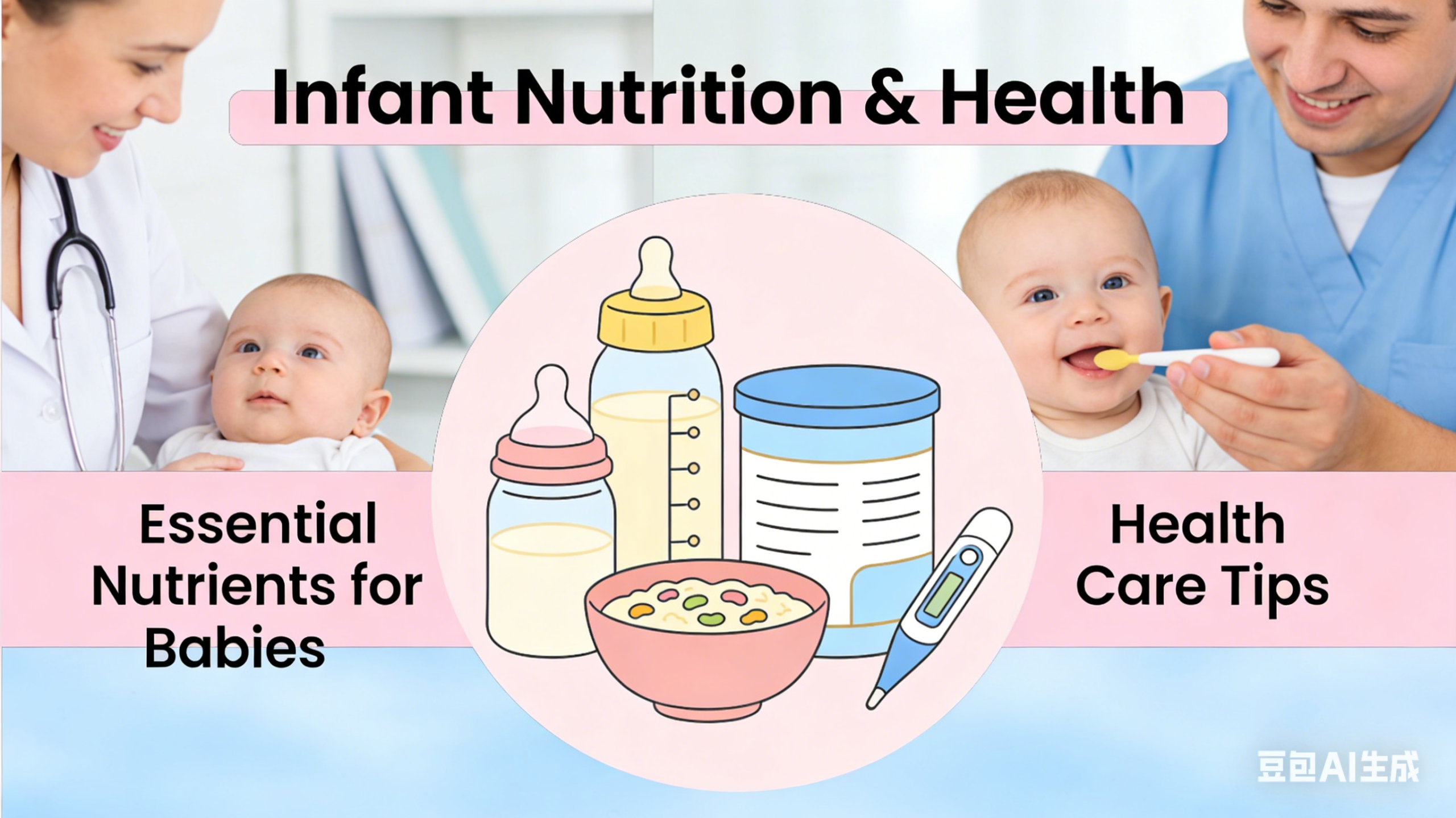




Baby Nutrition and Health: A Comprehensive Guide from Birth to Toddlerhood
Proper nutrition is fundamental to your baby’s growth, development, and long-term health. This guide covers essential aspects of infant feeding, nutritional requirements, and common health considerations from birth through the first year and beyond.
*Disclaimer: This information is for educational purposes only and does not replace professional medical advice. Always consult your health visitor, GP, or paediatrician for concerns about your baby.*
1. Newborn Feeding: The First 6 Months
Exclusive breastfeeding or formula feeding is recommended for the first 6 months of life.
Breastfeeding:
| Timing | Key Characteristics |
|---|---|
| Colostrum (first 2-5 days) | Thick, yellowish, rich in antibodies; small amounts sufficient for newborn |
| Mature milk (day 5+) | Foremilk (thinner, quenches thirst) and hindmilk (creamier, provides fat and calories) |
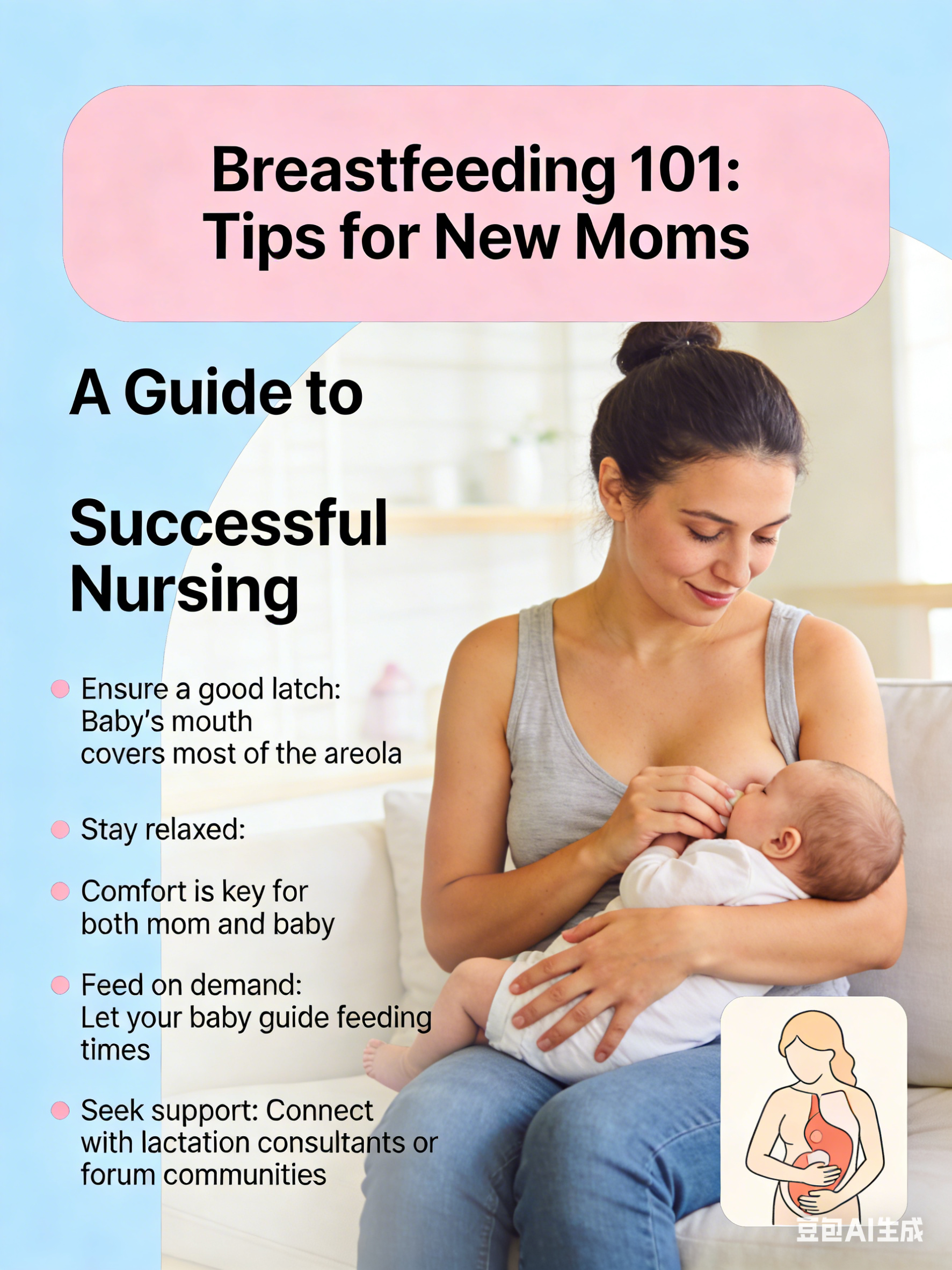
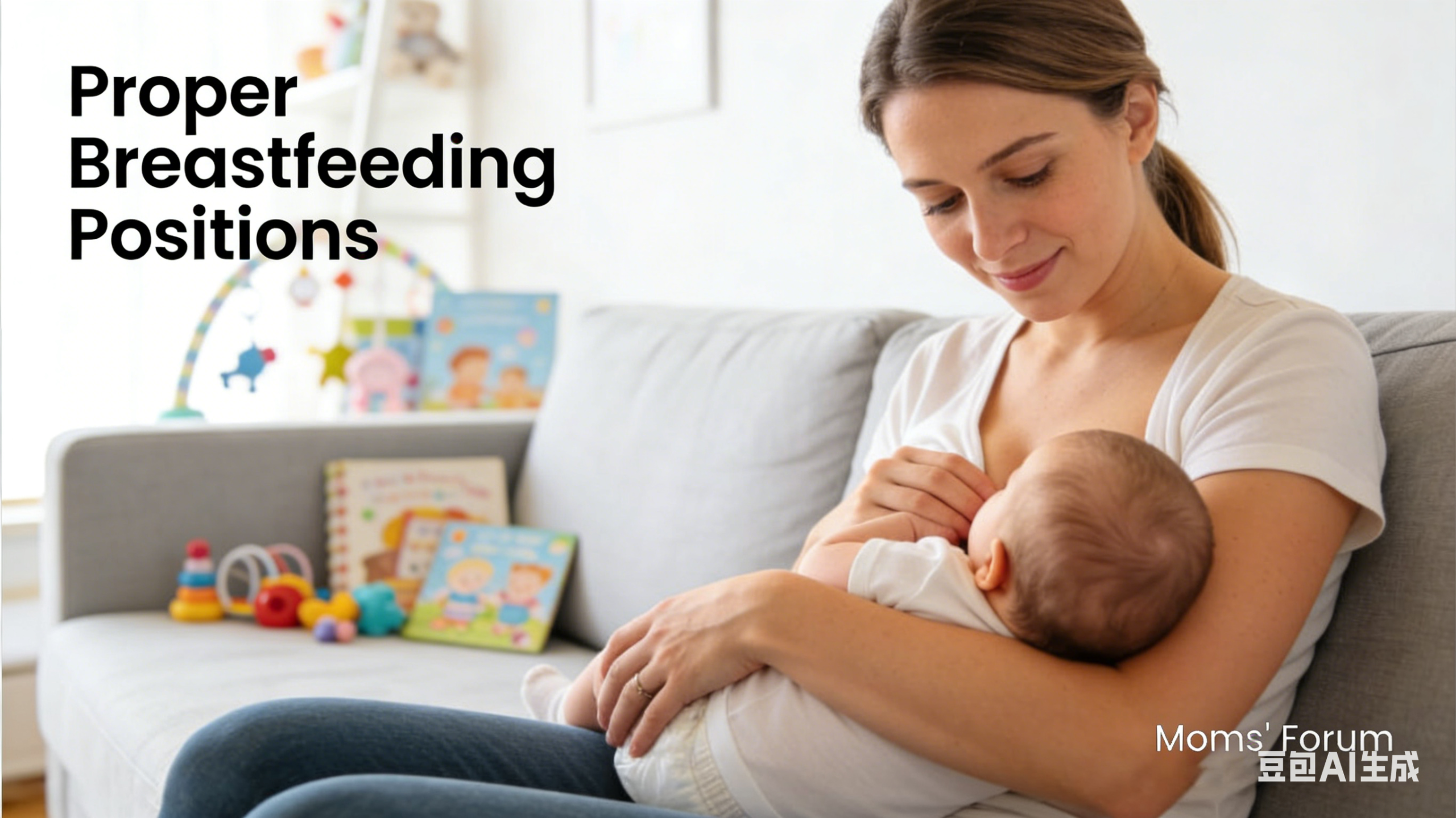
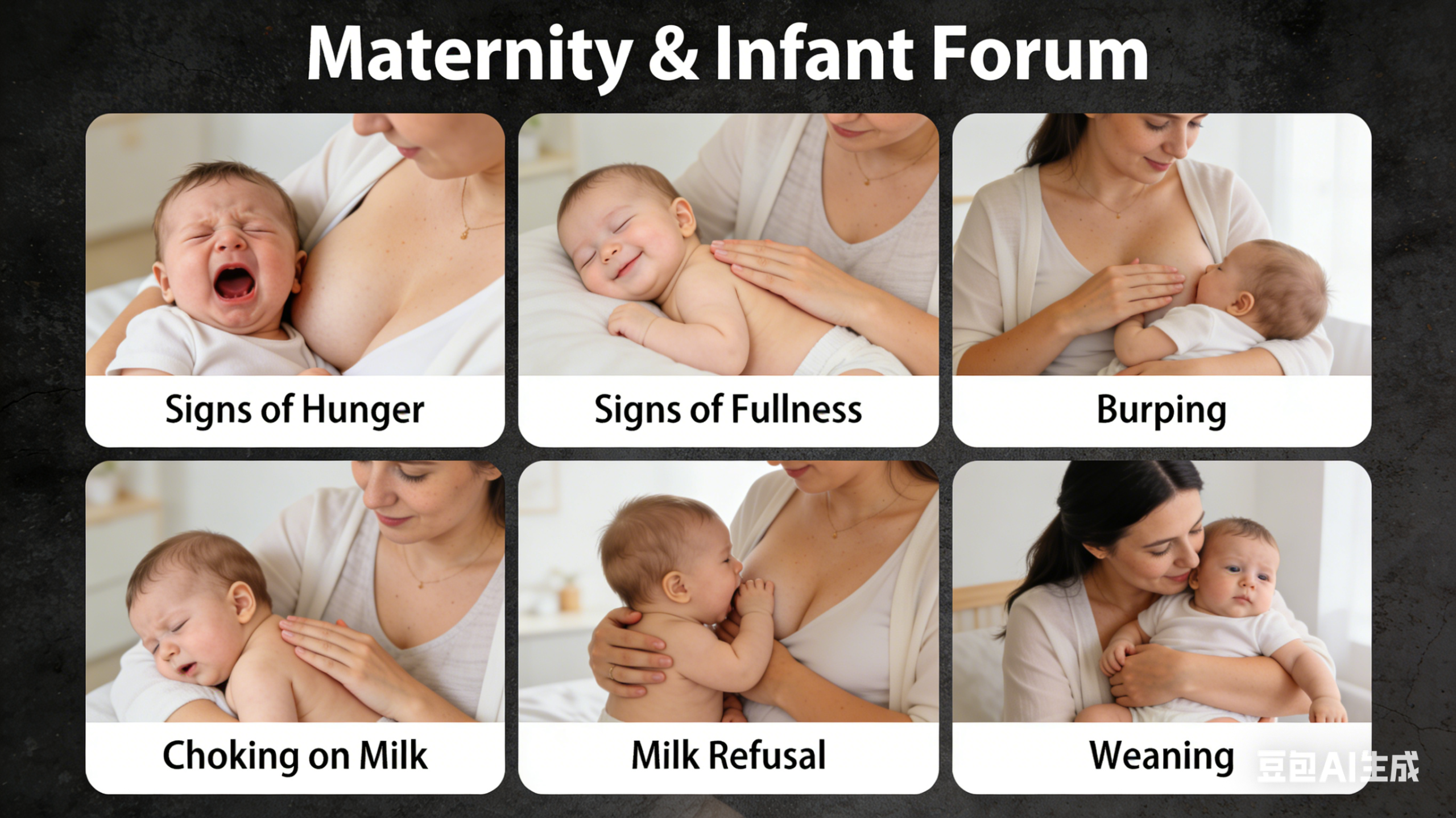
Signs of effective breastfeeding:
– Baby’s mouth wide, lower lip turned out, chin touching breast
– More areola visible above than below
– Rhythmic sucking with occasional pauses
– Audible swallowing
– Comfortable for mother (no persistent pain)
Frequency: Newborns feed 8-12 times in 24 hours (responsive feeding, not by the clock).
Signs baby is getting enough milk:
– 5-6 heavy wet nappies daily by day 5
– Regular bowel movements (varies by baby)
– Alert when awake, settling between feeds
– Gaining weight appropriately (see growth section)
Formula feeding:
– Choose appropriate stage formula (first infant formula)
– Prepare each feed fresh according to manufacturer’s instructions
– Use water at 70°C to kill any bacteria in powder
– Cool quickly to feeding temperature
– Discard unfinished feeds within 2 hours
2. Introducing Solid Foods (Weaning)
The World Health Organization recommends starting solids around 6 months (not before 4 months).
Signs baby is ready for solids:
– Can sit with minimal support
– Good head control
– Reaches for and puts objects in mouth
– Opens mouth when food is offered
– Lost tongue-thrust reflex (no longer pushes food out)
Two approaches to weaning:
| Traditional Weaning | Baby-Led Weaning |
|---|---|
| Spoon-feeding purees first | Baby self-feeds finger foods from start |
| Gradually increase texture | Baby controls pace and amount |
| Easier to know quantity eaten | May be messier initially |
| Suitable for all babies | Requires baby to have pincer grasp (around 8 months for some) |
Many families combine both approaches.
3. First Foods: What to Offer
Stage 1 (around 6 months): Single vegetables and fruits
| Suitable First Foods | Foods to Avoid |
|---|---|
| Cooked and pureed: carrot, sweet potato, parsnip, broccoli | Salt (babies’ kidneys cannot process it) |
| Soft fruits: banana, avocado, pear, cooked apple | Sugar (encourages sweet preference) |
| Baby rice mixed with baby’s usual milk | Honey (risk of infant botulism until 1 year) |
| Whole nuts (choking hazard; nut butters are fine) | |
| Unpasteurised dairy |
Stage 2 (around 7-8 months): More textures and combinations
– Mashed or chopped family foods
– Protein: well-cooked eggs, minced meat, lentils, beans
– Full-fat dairy: yoghurt, fromage frais, cheese (pasteurised)
– Gluten-containing foods: bread, pasta, cereals
Stage 3 (around 9-12 months): Finger foods and family meals
– Soft cooked vegetable sticks
– Toast fingers, pitta bread
– Soft fruit pieces
– Well-cooked pasta shapes
4. Key Nutrients for Infant Development
| Nutrient | Why It’s Important | Sources |
|---|---|---|
| Iron | Brain development, energy, immune function | Red meat, fortified cereals, dark leafy greens, beans, lentils (pair with vitamin C for absorption) |
| Calcium | Bone and teeth development | Breastmilk/formula, dairy, fortified plant milks (after 1 year), tofu |
| Vitamin D | Calcium absorption, immune health | Sunlight (limited in UK), fortified foods, supplements |
| Omega-3 (DHA) | Brain and eye development | Oily fish (salmon, mackerel), fortified foods |
| Zinc | Growth, immune function | Meat, dairy, beans, nuts |
| Vitamin A | Vision, skin, immune health | Orange vegetables, dark leafy greens, dairy |
| Vitamin C | Iron absorption, immune health | Fruits, vegetables |
Iron deficiency is the most common nutritional deficiency in infants. Ensure adequate iron-rich foods from 6 months.
5. Vitamins and Supplements (UK Guidance)
Department of Health recommendations:
| Age Group | Vitamin Supplement |
|---|---|
| Birth – 1 year (breastfed) | Vitamin D: 8.5-10mcg daily from birth |
| Birth – 1 year (formula-fed) | Vitamin D if having less than 500ml formula daily |
| 6 months – 5 years | Vitamins A, C, and D drops (A 200mcg, C 20mg, D 10mcg) |
Healthy Start vitamins are available free to eligible families in the UK.
6. Common Feeding Problems and Solutions
| Problem | Possible Causes | Solutions |
|---|---|---|
| Refusing solids | Teething, illness, not hungry, too tired | Try different textures, offer at different times, don’t force |
| Gagging vs choking | Normal gag reflex protects airway; choking is silent with inability to breathe | Learn infant first aid; offer appropriately sized foods |
| Constipation | Lack of fluid or fibre, too many binding foods | Offer water, prunes, pears, high-fibre foods; check with HV |
| Fussiness | Normal developmental phase; can take 10-15 exposures to accept new food | Keep offering without pressure; model eating |
| Cow’s milk allergy | Rash, vomiting, diarrhoea, poor growth | Consult GP; may need specialist formula |
7. Hydration
0-6 months: Breastmilk or formula provides all fluid needs.
6-12 months: Offer sips of water with meals in an open or free-flow cup.
12 months+: Water and milk are best drinks. Limit fruit juice to mealtimes and well-diluted (1 part juice to 10 parts water).
Signs of dehydration:
– Fewer wet nappies (less than 4 in 24 hours after day 5)
– Dark urine (should be pale)
– Dry mouth, no tears when crying
– Sunken fontanelle (soft spot)
– Lethargy or irritability
8. Growth and Development Tracking
Growth charts (UK-WHO charts) track your baby’s growth over time.
| Measurement | What It Shows |
|---|---|
| Weight | Overall nutrition |
| Length | Linear growth |
| Head circumference | Brain growth (measured until 2 years) |
Key points:
– Babies lose up to 10% birth weight in first days, regain by 2 weeks
– Average weight gain: 150-200g per week in first 3-4 months
– Centiles are a guide; most important is consistent growth along own curve
– Growth spurts occur around 2-3 weeks, 6 weeks, 3 months, 6 months
9. Common Health Concerns
Colds and respiratory infections:
– 8-12 colds per year is normal in first 2 years
– Manage with saline drops, humidifier, infant paracetamol/ibuprofen if feverish
– Seek help if breathing difficulty, poor feeding, high fever
Fever:
– Normal temperature 36.5-37.5°C
– Fever ≥38°C in under 3 months = urgent review
– Fever ≥39°C in 3-6 months = seek advice
– Manage with fluids, light clothing, appropriate medication
Gastroenteritis (vomiting/diarrhoea):
– Risk of dehydration
– Continue breastmilk/formula; offer smaller, more frequent feeds
– Oral rehydration solution may be advised
– Seek help if persistent vomiting, blood in stool, signs dehydration
Teething:
– Symptoms may include drooling, chewing, irritability, mild temperature (but not high fever)
– Relief: teething rings, gentle gum massage, infant paracetamol if distressed
– Teething gels (check age suitability)
Nappy rash:
– Change frequently, clean gently, allow nappy-free time
– Barrier cream (zinc oxide)
– If persistent or bright red with satellite spots, may be thrush (treat with antifungal cream)
Eczema:
– Dry, itchy, red patches (often on cheeks, creases)
– Manage with emollients, avoid triggers, mild steroids if prescribed
– Seek GP if weeping or infected
10. Allergy Awareness
Common food allergens:
– Cow’s milk
– Eggs
– Peanuts and tree nuts
– Soya
– Wheat
– Fish and shellfish
– Sesame
Introducing allergens:
– Current guidance: Introduce one at a time from around 6 months (not delayed)
– Offer small amounts, observe for reaction
– If family history of allergy, discuss with GP first
Signs of allergic reaction:
| Mild/Moderate | Severe (Anaphylaxis – emergency) |
|---|---|
| Rash, hives | Difficulty breathing, wheezing |
| Vomiting, diarrhoea | Swelling of face, lips, tongue |
| Redness around mouth | Sudden pallor, floppiness |
| Runny nose, itchy eyes | Collapse, unconsciousness |
If signs of anaphylaxis: Call 999 immediately.
11. Dental Health
Before teeth appear:
– Clean gums twice daily with soft, damp cloth
After first tooth appears (around 6 months):
– Brush twice daily with fluoride toothpaste
– Use rice-sized smear (under 3 years) or pea-sized (3-6 years)
– Choose age-appropriate toothbrush
– First dental check by 1 year
Prevent tooth decay:
– No bottles in bed
– Only milk or water in bottles from 6 months
– Limit sugary foods and drinks
– Avoid juice in bottles
12. Healthy Eating Habits for Toddlers (1-3 Years)
Portion sizes:
– A toddler’s portion = about ¼ of adult portion
– Follow child’s appetite (they may eat little one day, more next)
Key principles:
– Eat together as a family when possible
– Offer 3 meals and 2-3 healthy snacks daily
– Provide variety without pressure
– Avoid using food as reward or punishment
– Limit processed foods and sugary treats
Milk intake:
– 300-400ml daily (about 2-3 cups)
– Switch to whole cow’s milk at 1 year
– Continue vitamin drops until 5 years
13. When to Seek Medical Help
Contact GP, Health Visitor, or 111 if your baby:
– Has fever ≥38°C (under 3 months) or ≥39°C (3-6 months)
– Is lethargic, difficult to wake, or unusually floppy
– Has poor feeding (less than half usual in 24 hours)
– Has fewer wet nappies (less than 4 in 24 hours after day 5)
– Has persistent vomiting or green vomit
– Has blood in stool
– Has difficulty breathing (grunting, nasal flaring, chest retractions)
– Has rash that doesn’t fade with glass test
– Is not gaining weight appropriately
In emergency (call 999):
– Not breathing
– Unresponsive
– Severe difficulty breathing
– Blue lips or face
– Seizure
– Signs of anaphylaxis
Summary Table: Nutritional Milestones
| Age | Milk Feeds | Solid Foods | Key Nutrients |
|---|---|---|---|
| 0-6 months | Exclusive breastmilk or formula | None | All from milk |
| 6-7 months | 4-6 feeds/day | 1-2 small meals, smooth purees | Iron-rich foods introduced |
| 7-9 months | 4-5 feeds/day | 2-3 meals, mashed/lumpy | Increasing variety |
| 9-12 months | 3-4 feeds/day | 3 meals + snacks, finger foods | Family foods |
| 12 months+ | 300-400ml milk/day | 3 meals + 2-3 snacks | Balanced diet |
Resources:
– NHS Start for Life: www.nhs.uk/start-for-life
– First Steps Nutrition Trust: www.firststepsnutrition.org
– British Dietetic Association: www.bda.uk.com
– Allergy UK: www.allergyuk.org
– Lullaby Trust (safe sleep): www.lullabytrust.org.uk
*References available upon request.*
a.本站所有文章,如无特殊说明或标注,均为本站原创发布。
b.任何个人或组织,在未征得本站同意时,禁止复制、盗用、采集、发布本站内容到任何网站、书籍等各类媒体平台。
c.如若本站内容侵犯了原著者的合法权益,可联系我们进行处理。






No comments yet