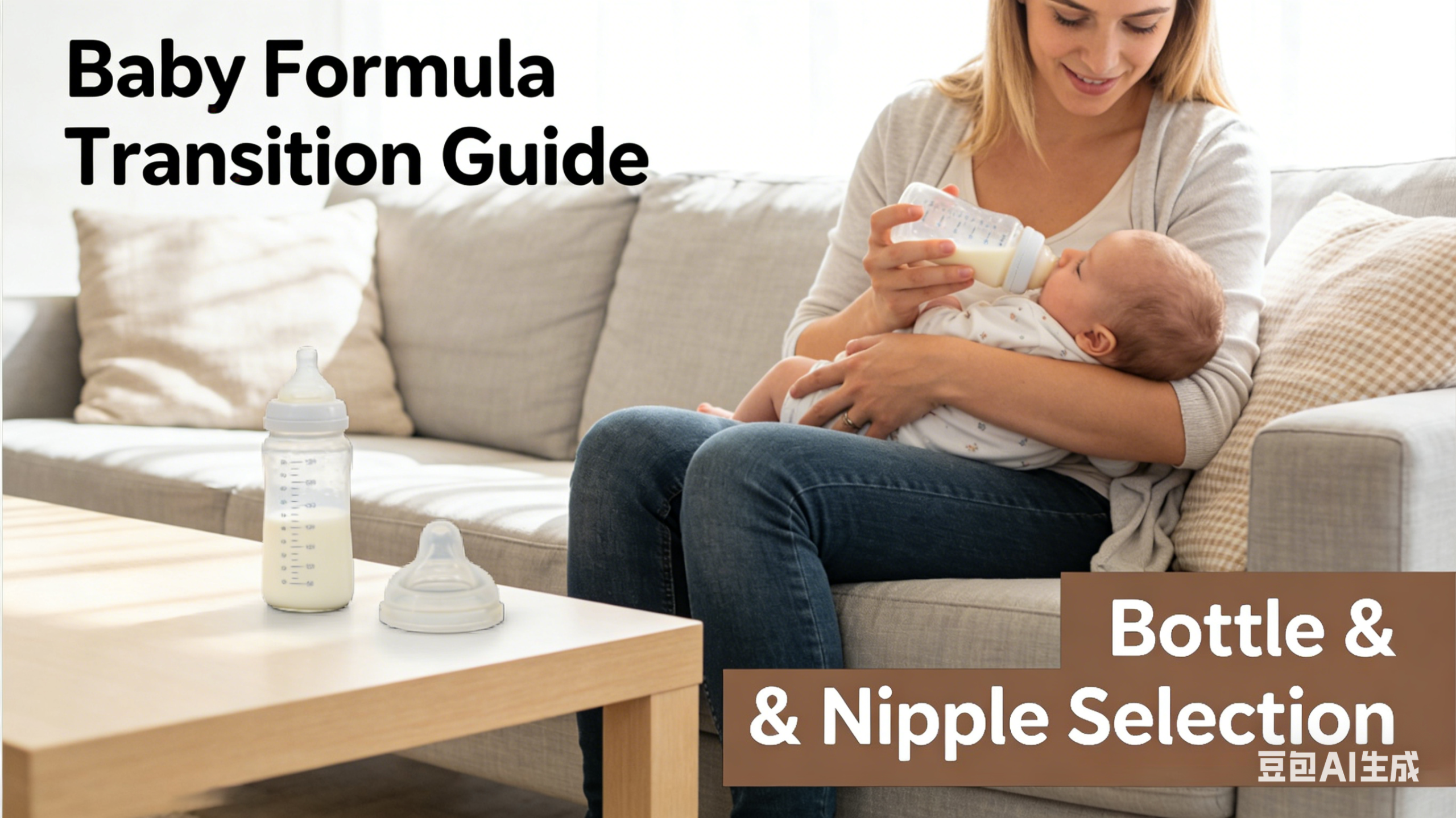




Formula Feeding: A Professional Guide to Choosing, Preparing, and Feeding Safely
When breastfeeding is not possible or supplemented, infant formula provides complete nutrition for your baby’s growth and development. Proper selection, preparation, and feeding techniques are essential for your baby’s health and safety. This guide provides evidence-based information on choosing formula, safe preparation, transitioning between formulas, and selecting appropriate bottles and teats.
*Disclaimer: This information is for educational purposes only and does not replace professional medical advice. Always consult your health visitor, GP, or paediatrician for concerns about your baby.*
Part 1: Choosing and Storing Infant Formula
How to Choose a Formula for Your Baby
For healthy term infants, standard cow’s milk-based infant formula (often labelled “Stage 1”) is appropriate from birth to 12 months .
Key considerations when choosing:
| Factor | What to Know |
|---|---|
| Stage | Infant formula (Stage 1) is suitable throughout the first year. Follow-on formula (Stage 2) after 6 months is unnecessary and confers no health advantages . |
| Brand | All infant formulas must comply with strict nutritional standards, so ingredients are generally similar across brands . Price differences do not reflect nutritional superiority. |
| Iron content | Most standard formulas are iron-fortified, which is important for preventing iron deficiency . |
| Special formulas | Only use formulas for premature babies, anti-reflux, lactose-free, or hydrolysed proteins on medical advice . |
Note: A 2022 study found that nearly half (46.3%) of parents incorrectly prepared formula, highlighting the importance of following instructions carefully regardless of brand choice .
Cow Milk Formula vs Goat Milk Formula: Which Is Better?
Recent research provides interesting insights into the differences:
– Digestibility: A 2025 in vitro study found that goat milk-based infant formula (GMF) exhibited significantly higher protein and lipid digestion rates than cow milk-based formula (CMF) under simulated infant conditions .
– Protein digestion: After 120 minutes of intestinal digestion, protein digestibility reached 28.3% for GMF, compared to 16.2% for CMF .
– Lipid profile: GMF contains higher proportions of short- and medium-chain fatty acids and sn-2 palmitic acid, which may contribute to better fat absorption .
– Similarity to breast milk: The similarity score of lipid digestion products between GMF and human milk reached 85.5, significantly surpassing that of CMF (67.12) .
Bottom line: Both cow and goat milk formulas are safe and nutritionally complete options. Goat milk formula may offer easier digestion for some infants, but individual tolerance varies. Choose based on your baby’s acceptance and any medical considerations.
How to Store Infant Formula Properly
Unopened formula:
– Store in a cool, dry place (kitchen cupboard, not refrigerator)
– Avoid extreme temperatures
Opened powder formula:
– Keep lid tightly closed
– Store in cool, dry place (not refrigerator)
– Use within **1 month** of opening
Prepared formula:
– Use immediately if possible
– If refrigerated immediately after preparation: use within **24 hours**
– If left at room temperature: use within **2 hours** of preparation
– Once feeding begins: use within **1 hour**, then discard unfinished formula
Part 2: Preparing Formula Safely
Why Add Water First, Then Powder
Critical safety rule: Always put water in the bottle first, then add powder .
Reasons:
1. Accuracy: Adding powder first can result in incorrect concentration because powder displaces water volume .
2. Safety: Too much or too little water can cause diarrhea, constipation, dehydration, or other problems for your baby .
3. Dissolving: Water-first helps powder dissolve properly.
What Water to Use for Formula
| Water Type | Recommendation |
|---|---|
| Tap water | Usually acceptable if safe. Boil and cool to at least 70°C before mixing . |
| Bottled water | Choose water labeled for infants and sterile. Still (not sparkling) only. Must still be boiled to 70°C . |
| Boiled water | Boil fresh tap water in a kettle. If you boil 1 litre, it stays above 70°C for up to 30 minutes . |
| Mineral water | Not recommended due to high mineral content that may strain baby’s kidneys . |
| Previously boiled water | Do not re-use old boiled water—always use freshly boiled water . |
Temperature is crucial: Water must be **at least 70°C** when mixed with powder to kill harmful bacteria like Cronobacter and Salmonella that may be present in powdered formula .
Step-by-Step: How to Prepare Formula Correctly
1. Wash hands thoroughly with soap and warm water .
2. Clean surfaces where you’ll prepare the feed .
3. Use sterilised bottles and teats .
4. Boil fresh tap water in a kettle. If using 1 litre, use within 30 minutes to ensure it stays above 70°C .
5. Pour correct amount of hot water into the sterilised bottle .
6. Add exact number of level scoops using only the scoop provided with that formula. Level off with a clean knife—do not pack or heap .
7. Cap bottle and shake well until powder is fully dissolved .
8. Cool to feeding temperature by holding bottle under cold running water or placing in a container of cold water. Do not submerge teat .
9. Test temperature by shaking a few drops onto the inside of your wrist—it should feel lukewarm, not hot .
Never:
– Add extra scoops or less powder than directed
– Add cereal or other substances to the bottle
– Heat formula in a microwave (creates hot spots that can burn baby’s mouth)
– Use formula preparation machines—the NHS advises against them as they may not effectively kill bacteria
Common Preparation Mistakes to Avoid
A 2022 study found that nearly half of parents incorrectly prepared formula . Common errors include:
– Incorrect water-to-powder ratio
– Using water that’s not hot enough
– Not sterilising equipment
– Storing prepared formula incorrectly
– Using outdated formula
Part 3: When Baby Refuses Formula
Why Some Babies Refuse Formula
Several factors can cause formula refusal:
| Cause | Explanation |
|---|---|
| Taste preference | Formula tastes different from breast milk. Some babies need time to adjust. |
| Nipple confusion | Different teat shapes and flow rates can affect acceptance. |
| Temperature preference | Some babies prefer warm milk; others accept room temperature. |
| Illness or discomfort | Teething, ear infections, or stuffy nose can make feeding uncomfortable . |
| Physiological anorexia | Common around 3-6 months when growth slows and babies become more distracted by surroundings . |
| Taste changes | Different formula brands have slightly different flavours . |
Signs of Physiological Milk Refusal (厌奶)
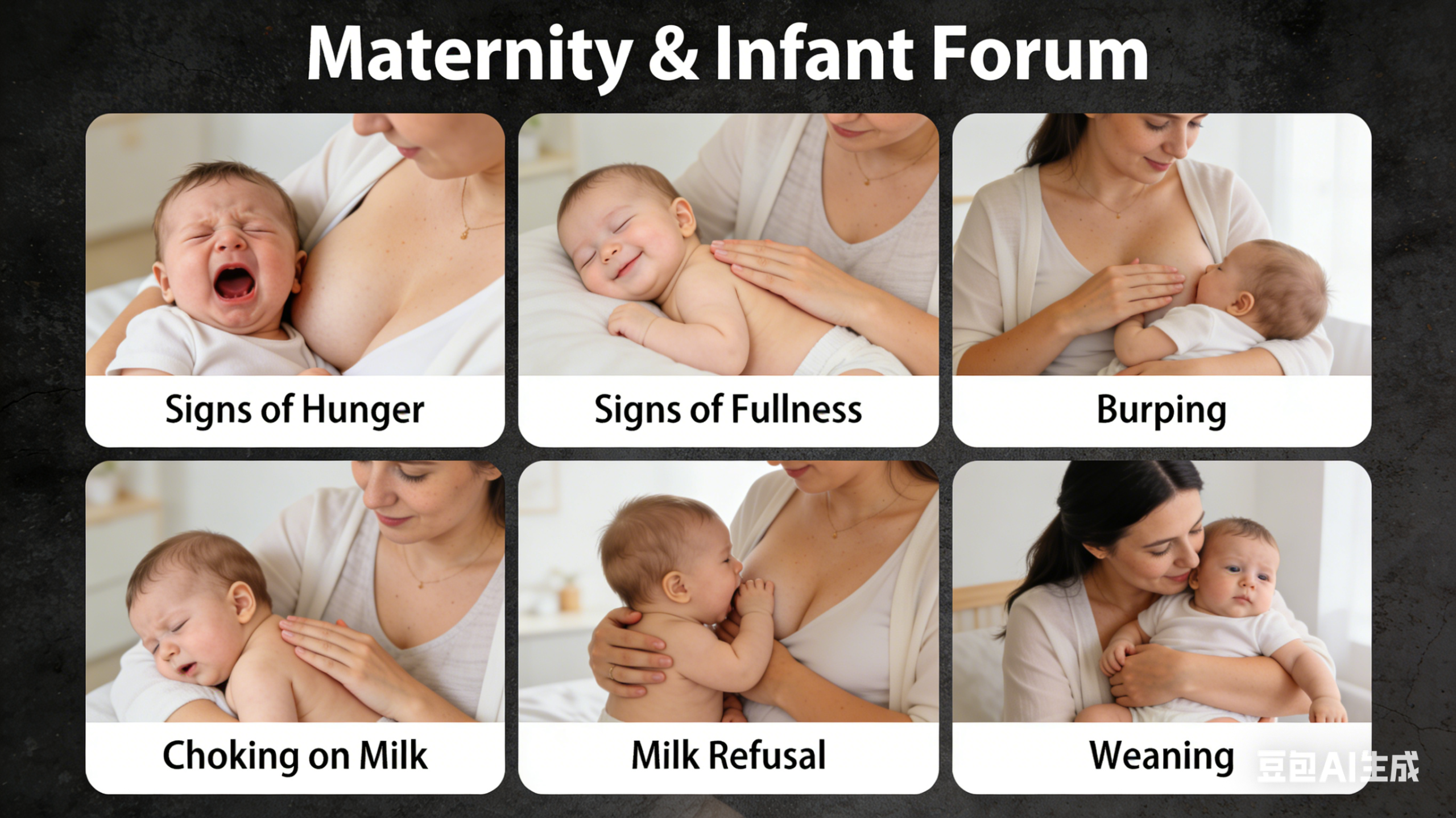
Babies aged 3-6 months commonly experience a “nursing strike” or milk refusal period due to developmental changes :
– Good energy and activity but no interest in feeding
– Turns head away during feeding or cries
– Pushes teat out with tongue
– Easily distracted during feeds
– Allows milk to dribble out without swallowing
Red flags requiring medical attention :
– Refusal lasting >2 months
– Weight not increasing appropriately
– Weight percentile dropping across two growth curves
– Accompanying symptoms: abdominal distension, vomiting, fever, rapid breathing, decreased activity
What to Do When Baby Refuses Formula
1. Don’t force feed – This can create negative associations with feeding .
2. Feed on demand – Follow baby’s cues rather than rigid schedules .
3. Create calm environment – Feed in a quiet, dimly lit room without distractions .
4. Try different positions – Experiment with feeding positions .
5. Check teat flow – Formula should drip about one drop per second when bottle is inverted .
6. Feed when drowsy – Some babies feed better when half-asleep .
7. Increase hunger – Engage baby in play and activity between feeds .
8. Consider cup feeding – For babies over 4-6 months, introducing a cup may provide novelty .
9. Rule out illness – Check for signs of teething, ear infection, or congestion.
Part 4: Switching Formulas (转奶)
When to Consider Switching Formulas
Healthcare professionals generally do not encourage switching brands for minor issues . However, switching may be needed when:
– Medical necessity: Confirmed cow’s milk protein allergy requiring hypoallergenic formula (under medical supervision)
– Persistent intolerance: Ongoing digestive issues (severe reflux, constipation, diarrhea) not improving with current formula
– Specialised needs: Preterm infants transitioning to standard formula
– Genuine acceptance issues: Baby consistently refuses current formula despite trying all strategies
Note: If baby is under 6 months and currently on cow’s milk-based infant formula (Stage 1), you can switch directly to another brand of cow’s milk-based formula . Babies under 6 months should not receive follow-on formula .
How to Switch Formulas Safely
There is no specific procedure for switching . Two approaches:
| Approach | Method |
|---|---|
| Direct switch | If baby accepts the new taste, simply replace the old formula with new formula completely . |
| Gradual transition | Introduce 1-2 feeds of new formula daily, gradually increasing until fully replaced . |
Critical safety rule: Never mix two different brands of formula powder when preparing feeds, as they have different water-to-powder ratios .
What to Expect When Switching
– Stool changes: Different formulas contain varying levels of iron, probiotics, and other ingredients, which may affect stool frequency, texture, and colour .
– Temporary adjustment: Some babies need a few days to adjust to new taste.
– Monitor for tolerance: Watch for signs of intolerance (excessive gas, vomiting, rash).
When to Pause or Stop Switching
Temporarily pause or revert to previous formula if baby shows:
– Persistent vomiting
– Diarrhea
– Blood in stool
– Rash or signs of allergic reaction
– Significant feeding refusal
– Poor weight gain
Seek medical advice if these symptoms occur.
Part 5: Bottles and Teats – Selection, Cleaning, and Lifespan
How to Choose Bottles
| Feature | Considerations |
|---|---|
| Material | Glass (durable, heavy) or BPA-free plastic (lightweight, unbreakable) |
| Shape | Standard, angled, or wide-neck (easier filling and cleaning) |
| Size | Small bottles (120-150ml) for newborns; larger (250-300ml) for older babies |
| Ventilation system | Anti-colic features may reduce air swallowing |
| Compatibility | Ensure teats fit the bottle brand |
How to Choose Teats
| Feature | Options | Considerations |
|---|---|---|
| Material | Silicone (clear, firm, longer-lasting) or Latex (brown, softer, shorter lifespan) | Latex may cause allergies in sensitive babies |
| Shape | Standard, orthodontic, wide-base | Mimics breast shape for easier transition |
| Flow rate | Slow (newborn), Medium (3-6 months), Fast (6+ months), Variable flow | Flow too fast = choking; too slow = frustration |
| Size | Age-marked on packaging | Replace as baby grows |
Testing flow rate: When bottle is inverted, formula should drip at about **one drop per second** .
Do Bottles Have a Shelf Life?
**Yes, bottles have a limited lifespan.**
| Material | Lifespan | Replacement Signs |
|---|---|---|
| Plastic bottles | 4-6 months with daily use | Cracks, scratches, cloudy appearance, warping |
| Glass bottles | Indefinite with care | Chips, cracks |
| Silicone bottles | 6-12 months | Sticky texture, tears |
How Long Do Teats Last?
**Teats should be replaced every 4-8 weeks**, or immediately if you notice:
– Cracks, tears, or holes
– Sticky or swollen appearance (latex)
– Discolouration
– Changes in flow (too fast or too slow)
– Weak suction or collapse during feeding
How to Clean and Sterilise Bottles and Teats
Before first use: All new bottles and teats must be sterilised.
After every use: Clean and sterilise all feeding items .
Step 1: Cleaning
Hand washing method :
1. Wash hands with soap and water
2. Disassemble all parts (bottles, teats, caps, rings)
3. Rinse under running water
4. Fill a clean basin (used only for infant feeding items) with hot water and add soap
5. Scrub with a clean brush (used only for infant feeding items)—squeeze water through teat holes
6. Rinse all items again under running water
7. Air-dry on a clean dish towel or paper towel (do not pat-dry, which can transfer germs)
8. Once completely dry, reassemble and store in clean area
9. Wash basin and brush after each use and air-dry
Dishwasher method (if dishwasher-safe) :
1. Disassemble and rinse under running water
2. Place in dishwasher
3. Use hot water setting and heated drying (sanitising) cycle if available
4. Wash hands before removing items
5. If not completely dry, air-dry on clean towel
Note: The scoop for powdered formula only needs washing if it becomes wet or dirty (e.g., dropped on floor). Dry completely before returning to container .
Step 2: Sterilising
After cleaning, sterilise using one of these methods:
| Method | Instructions |
|---|---|
| Boiling | Boil items in water for 5-10 minutes. Ensure fully submerged. |
| Electric steam steriliser | Follow manufacturer’s instructions |
| Microwave steriliser | Follow manufacturer’s instructions |
| Cold water sterilising | Use sterilising solution according to instructions |
| Dishwasher | If dishwasher has sanitising cycle |
Can You Use Boiling Water to Sterilise?
**Yes, boiling is an effective sterilisation method:**
1. Ensure bottles, teats, and other items are thoroughly cleaned first
2. Submerge completely in boiling water
3. Boil for at least 5 minutes
4. Remove with sterilised tongs
5. Air-dry on clean paper towel or dish towel
However, simply rinsing with boiled water is NOT sufficient for sterilisation—items must be fully immersed in boiling water for the required time or processed through another sterilisation method.
Summary Table: Key Points at a Glance
| Topic | Key Messages |
|---|---|
| Formula choice | Stage 1 formula suitable 0-12 months; all brands meet nutritional standards |
| Goat vs cow | Goat formula may offer easier digestion, but both are safe options |
| Storage | Opened powder: use within 1 month. Prepared formula: 24 hours in fridge, 2 hours at room temp, 1 hour after feeding starts |
| Preparation | Water first, then powder. Use freshly boiled water at ≥70°C. Follow instructions exactly . |
| Water | Freshly boiled tap water cooled to 70°C is ideal. Not mineral water . |
| Formula refusal | Common 3-6 months. Don’t force feed; create calm environment; check teat flow . |
| Switching formulas | Direct replacement is fine. Never mix two brands in one bottle . |
| Bottle lifespan | Plastic: 4-6 months; Glass: indefinite if undamaged |
| Teat lifespan | Replace every 4-8 weeks or at signs of damage |
| Sterilisation | Clean then sterilise every use until 12 months. Boiling for 5-10 minutes works . |
**Key Resources:**
– NHS Start for Life: www.nhs.uk/start-for-life
– First Steps Nutrition Trust: www.firststepsnutrition.org
– Family Health Service (Hong Kong): www.fhs.gov.hk
*References available upon request. Key sources: PubMed 2022 , HealthyWA , Northwestern Medicine , ScienceDirect 2025 , Hong Kong FHS , Just One Norfolk , China Medical University Hospital .*
a.本站所有文章,如无特殊说明或标注,均为本站原创发布。
b.任何个人或组织,在未征得本站同意时,禁止复制、盗用、采集、发布本站内容到任何网站、书籍等各类媒体平台。
c.如若本站内容侵犯了原著者的合法权益,可联系我们进行处理。








No comments yet