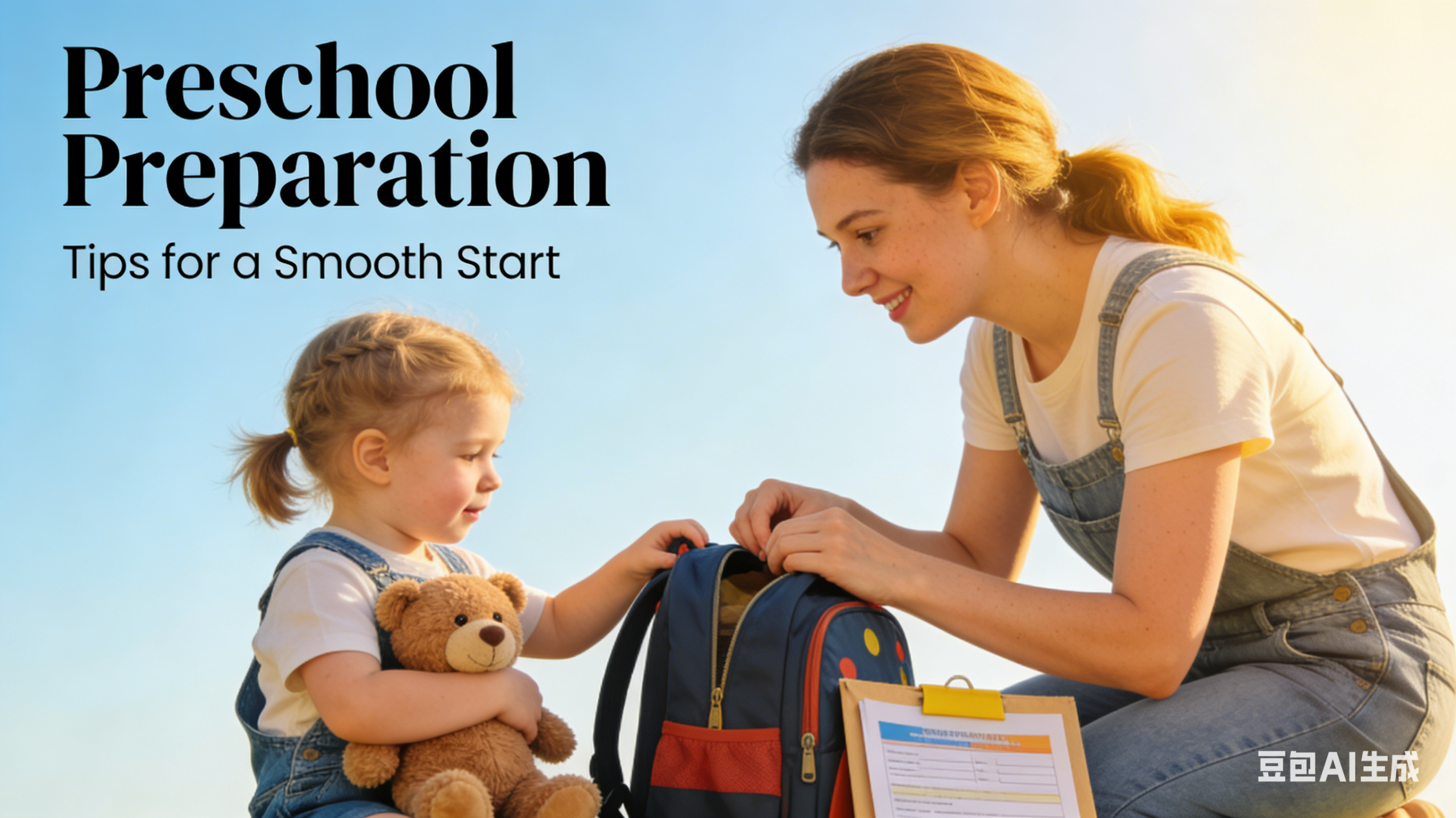




Preparing for Nursery or School: A Professional Guide to School Readiness
The transition to nursery or school is a significant milestone for both children and parents. While every child develops at their own pace, certain foundational skills can help ease this transition and support a positive start. This guide provides evidence-based insights into the key areas of readiness and practical strategies for supporting your child’s preparation.
*Disclaimer: This information is for educational purposes only and does not replace professional medical or developmental advice. Always consult your health visitor or early years professional for concerns about your child.*
Part 1: What Does “School Readiness” Mean?
School readiness is not about academic achievement before formal education begins. It encompasses a broad range of skills that enable a child to settle into a new environment, form positive relationships, and engage with learning.
Key dimensions of readiness:
– Physical independence: Managing basic self-care tasks
– Social and emotional skills: Regulating emotions, forming relationships, and separating from parents
– Communication and language: Expressing needs and understanding others
– Cognitive foundations: Curiosity, attention, and early problem-solving
Research consistently shows that **social and emotional skills** are stronger predictors of successful school adjustment than early academic abilities .
Part 2: Essential Skills Before Starting Nursery or School
1. Self-Care and Independence
Developing independence in daily routines builds confidence and reduces stress in the nursery environment.
| Skill | Why It Matters | How to Support |
|---|---|---|
| Toileting | Most nurseries expect children to be in pants and able to communicate toileting needs. | Practice pulling pants up/down; establish a routine; stay calm about accidents; use clothing that is easy to manage (elastic waistbands). |
| Hand washing | Reduces spread of infections; promotes hygiene. | Practise at home: wet, soap, rinse, dry. Sing a short song to ensure enough time. |
| Eating and drinking | Children need to feed themselves at mealtimes. | Offer finger foods; practise using a spoon and open cup; let child manage their own pace. |
| Dressing | Putting on coat, shoes (Velcro is easier than laces), and managing outdoor clothing. | Choose clothing that is easy to fasten; practise at home; allow extra time for dressing. |
| Putting shoes on correct feet | A common early independence skill. | Use stickers or marks inside shoes; praise attempts even if not perfect. |
| Tidying up | Contributing to shared spaces. | Make tidying a game; sing a clean-up song; model putting things away. |
Realistic expectations:
– Children do not need to be fully independent before starting. Staff will support with toileting, dressing, and eating
– Focus on **familiarity** with these routines, not perfection
2. Social and Emotional Skills
| Skill | Why It Matters | How to Support |
|---|---|---|
| Separating from parents | Children need to feel safe when parents leave. | Practise short separations; use a consistent goodbye routine; reassure child that you always return. |
| Sharing and turn-taking | Group settings require cooperation with peers. | Play turn-taking games (rolling a ball back and forth, stacking blocks together); model sharing. |
| Managing frustration | Nursery involves waiting, navigating disagreements, and not always getting what one wants. | Acknowledge feelings: “I see you’re frustrated. Let’s take a deep breath.” Model calming strategies. |
| Seeking help appropriately | Children need to know they can ask an adult for support. | Practise at home: encourage child to ask for help when stuck; reassure that grown-ups are there to help. |
| Playing alongside others | Parallel play is typical before true cooperative play emerges. | Arrange playdates; visit playgrounds; allow child to observe and engage at their own pace. |
3. Communication and Language
| Skill | Why It Matters | How to Support |
|---|---|---|
| Expressing basic needs | Being able to say “I need the toilet,” “I’m thirsty,” or “It hurts.” | Model these phrases; give your child language to use; do not anticipate every need—let them practise asking. |
| Understanding simple instructions | Following group directions supports participation. | Give one- or two-step instructions at home (“Please put the book on the shelf”). |
| Recognising own name | Essential for group activities and safety. | Use child’s name frequently; point to their name on labels and belongings. |
| Engaging with stories and songs | Nursery involves storytime, songs, and group activities. | Sing nursery rhymes together; read daily; encourage participation (clapping, repeating words). |
Red flags: If your child is not yet using words to communicate basic needs by age 2-3, or if you have concerns about understanding or expression, discuss with your health visitor.
4. Cognitive and Attention Skills
| Skill | Why It Matters | How to Support |
|---|---|---|
| Sustaining brief attention | Engaging with activities and group times requires some focus. | Offer activities child enjoys; extend play by joining in; avoid interrupting when child is engaged. |
| Following routines | Predictable structure helps children feel secure. | Establish consistent daily routines at home; use visual timetables if helpful. |
| Curiosity and exploration | A foundation for learning. | Follow child’s interests; provide open-ended materials; celebrate questions. |
| Tolerating transitions | Moving between activities is part of nursery life. | Give warnings before transitions (“Five more minutes, then tidy up”); use visual timers. |
Part 3: Preparing Emotionally for the Transition
Talking About Nursery
– Read books together: Stories about starting nursery help children imagine what to expect. Titles like *The Kissing Hand*, *Llama Llama Misses Mama*, and *I Love You All Year Round* can be helpful.
– Visit beforehand: Many nurseries offer settling-in sessions. Use these to familiarise your child with the environment, staff, and routines.
– Use positive language: Frame nursery as something exciting, not something to endure. Avoid phrases like “Don’t worry” which may signal there is something to worry about.
Creating a Goodbye Routine
A consistent, reassuring goodbye ritual helps children predict what will happen and builds trust.
| Element | Example |
|---|---|
| Consistency | Same person drops off, same phrase, same routine. |
| Brief | A kiss, a hug, a wave, then go. Prolonging goodbyes often increases distress. |
| Confidence | Your calmness signals safety. Say “I will be back after snack” rather than asking “Are you going to be okay?” |
| Trust staff | Let the nursery staff support your child’s transition; they are experienced in helping children settle. |
Managing Your Own Feelings
It is normal to feel anxious about separation. Children pick up on parental emotions. If you feel uncertain, take a moment to breathe before drop-off, remind yourself that nursery is a positive step, and trust the professionals supporting your child.
Part 4: Practical Preparations
Labelling Belongings
Label everything: clothing, shoes, lunchbox, water bottle, coat, and any comfort items. Clear, permanent labels prevent loss and help staff identify your child’s things.
Familiarising with the Setting
– Visit the nursery together before the start date
– Look at photos of the staff and environment
– Walk past the building and talk about what happens there
– Let your child choose a small comfort item to take (if permitted)
Establishing Routines
| Routine | Why It Matters |
|---|---|
| Consistent wake-up time | Predictable mornings reduce stress. |
| Good sleep hygiene | Well-rested children settle better. Aim for 10-12 hours of sleep for preschoolers. |
| Breakfast | A good breakfast supports energy and focus. |
| Drop-off routine | A predictable goodbye helps child transition from home to nursery. |
Part 5: Signs Your Child May Need Additional Support
While all children adjust at their own pace, consider seeking advice if:
– Your child experiences **extreme distress** at separation that does not improve over several weeks
– You have concerns about **language or communication** that affect ability to express needs
– **Toileting** is not established and causes significant distress
– Your child has **medical or developmental conditions** that may require additional planning
– You feel **unsure** about how to prepare or support the transition
Health visitors, nursery staff, and early years teams are there to support you. Discuss any concerns early.
Part 6: What Children Do NOT Need to Know Before Starting
It is important to remember what children are **not** expected to know before nursery:
– Reading or writing
– Recognising letters or numbers
– Sitting still for long periods
– Speaking fluent English (if another language is spoken at home)
– Perfect behaviour or constant sharing
Nursery and Reception are designed to meet children where they are. The Early Years Foundation Stage (EYFS) curriculum builds from the child’s starting point, whether that is emerging skills or more established independence.
Summary: Readiness Checklist
| Area | Key Skills |
|---|---|
| Self-care | Toileting awareness, hand washing, feeding self, managing clothing (with support) |
| Social-emotional | Tolerating separation, playing alongside others, seeking help, managing simple frustration |
| Communication | Expressing basic needs, understanding simple instructions, responding to name |
| Cognitive | Following routines, brief attention, curiosity, tolerating transitions |
| Practical | Labelled belongings, consistent routines, familiar environment, positive language about nursery |
**Key Resources:**
– NHS Start for Life: www.nhs.uk/start-for-life
– Foundation Years (DfE): www.foundationyears.org.uk
– BookTrust (starting nursery book list): www.booktrust.org.uk
*References available upon request. Key sources: Department for Education (Early Years Foundation Stage framework), NHS, Royal College of Paediatrics and Child Health, BookTrust.*
a.本站所有文章,如无特殊说明或标注,均为本站原创发布。
b.任何个人或组织,在未征得本站同意时,禁止复制、盗用、采集、发布本站内容到任何网站、书籍等各类媒体平台。
c.如若本站内容侵犯了原著者的合法权益,可联系我们进行处理。







No comments yet