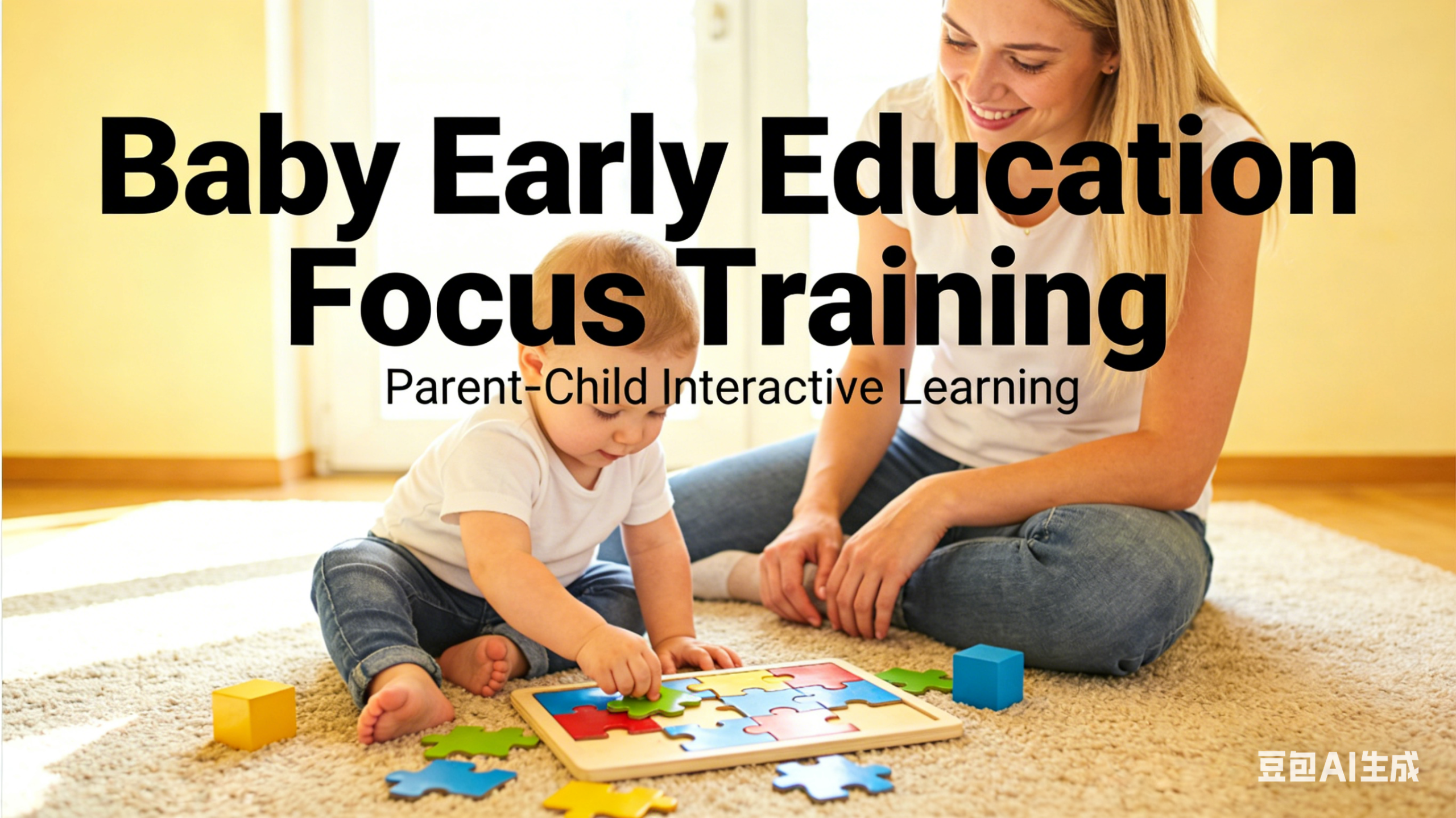




Early Childhood Development: A Professional Guide to Attention and Focus
In a world of constant stimulation, the ability to focus is a foundational skill for learning, problem-solving, and emotional regulation. Understanding how attention develops and how to nurture it can help parents support their child’s growth without pressure or unrealistic expectations. This guide provides evidence-based insights into attention development across early childhood and practical strategies for fostering focus.
*Disclaimer: This information is for educational purposes only and does not replace professional medical or developmental advice. Always consult your health visitor or paediatrician for concerns about your child.*
1. What Is Attention (Focus)?
Attention is the cognitive process of selectively concentrating on one aspect of the environment while ignoring others. For young children, attention is not a single skill but a developing capacity that involves:
| Component | Description |
|---|---|
| Orienting | Noticing and turning toward a stimulus |
| Sustaining | Maintaining focus over time |
| Shifting | Moving attention from one thing to another appropriately |
| Selective attention | Focusing on relevant information while filtering out distractions |
2. Typical Attention Spans by Age
Attention span varies significantly based on the child’s interest, fatigue, and environment. The figures below represent **typical sustained focus on a self-chosen, engaging activity**:
| Age | Typical Attention Span (Approximate) |
|---|---|
| 0-3 months | A few seconds to 1-2 minutes; attention is fleeting and captured by high-contrast faces, sounds, and movement. |
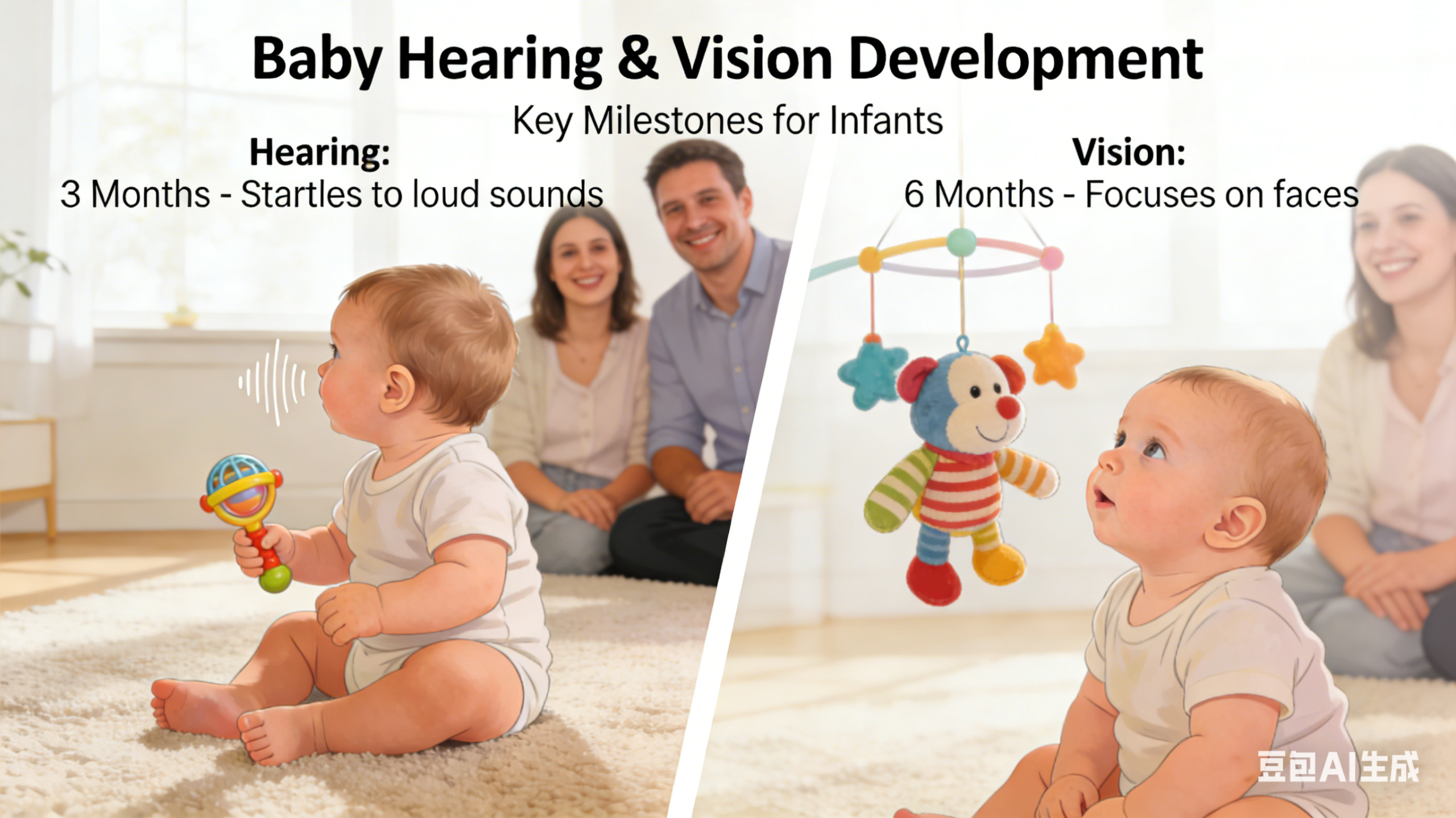
| 3-6 months | 2-5 minutes; begins to sustain attention on toys, faces, and simple cause-and-effect objects (rattles, mobiles). |
| 6-12 months | 2-5 minutes on a single toy; may return to favourite objects repeatedly. |
| 1-2 years | 3-6 minutes on a self-chosen activity; easily distracted by new stimuli. |
| 2-3 years | 5-10 minutes on a preferred activity; can follow simple instructions but still needs support to stay on task. |
| 3-4 years | 8-15 minutes on an engaging activity; can shift attention with adult guidance. |
| 4-5 years | 10-20 minutes on a task of interest; can sustain attention during group activities with support. |
Important note: These are general ranges. A child who can sit for 20 minutes building blocks may struggle to focus for 3 minutes on a less interesting activity. This is normal.
3. Why Nurturing Attention Matters
Strong attention skills in early childhood are associated with a range of positive outcomes:
| Domain | Benefits |
|---|---|
| Learning | Children who can sustain attention absorb more information, follow instructions, and engage with teaching. Attention in preschool predicts academic achievement through primary school . |
| Self-regulation | The ability to focus is linked to impulse control and emotional regulation. Children who can direct attention are better able to pause before reacting . |
| Social development | Sustained attention supports turn-taking, listening to peers, and engaging in cooperative play. |
| Executive function | Attention is a core executive function alongside working memory and impulse control—skills that underpin success across life domains . |
| Independence | Children who can focus on tasks require less adult direction and gain confidence in their own abilities. |
4. How to Support Attention Development
4.1 Follow Your Child’s Lead
Young children focus best on activities they have chosen. Observe what captures your child’s interest and provide opportunities to explore it more deeply.
Instead of: Directing play (“Let’s do this puzzle now.”)
Try: Noticing engagement (“You’re really interested in how the blocks stack high. I wonder how tall we can make it?”)
4.2 Protect Focus by Avoiding Unnecessary Interruptions
Interrupting a focused child—even with praise or offers of help—can disrupt concentration. When possible, wait until the child naturally disengages.
Instead of: “Good job! Do you want a snack?” (mid-activity)
Try: Observing quietly, joining only if invited, offering transitions when the activity naturally ends.
4.3 Provide Developmentally Appropriate Challenges
Activities that are too easy lead to boredom; too difficult lead to frustration. The “just right” challenge—within reach with effort—sustains engagement.
Signs an activity is well-matched:
– Child persists even when it’s slightly difficult
– Child shows satisfaction when completing
– Child returns to the activity independently
4.4 Create an Environment That Supports Focus
| Environmental Factor | How It Helps |
|---|---|
| Reduced visual clutter | Fewer distractions allow deeper engagement with chosen activity. |
| Designated play spaces | A consistent area signals “this is where we focus.” |
| Limited toy options | Rotating toys rather than offering all at once helps children engage more deeply. |
| Quiet background | White noise or no noise supports concentration; television or music with lyrics can be distracting. |
| Predictable routines | When children know what comes next, they are less anxious and more able to focus on the present activity. |
4.5 Engage in Joint Attention
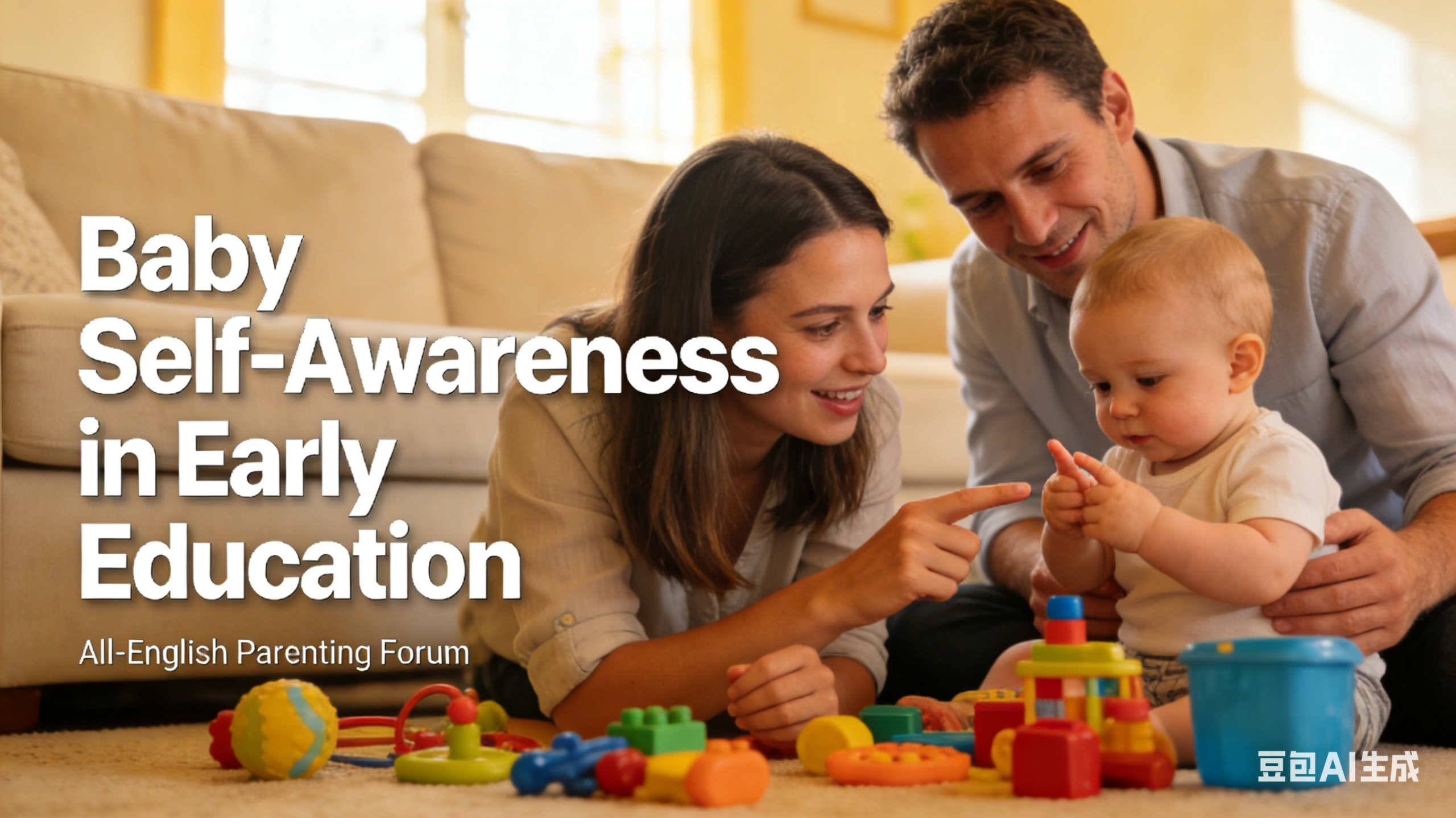
Joint attention—sharing focus on an object or activity with your child—builds attention skills and strengthens the parent-child bond.
Examples:
– Reading together: point to pictures, ask questions, follow child’s gaze
– Building: narrate what you’re both doing
– Playing with cause-and-effect toys: take turns pressing buttons or dropping objects
4.6 Use Simple Games That Train Focus
| Game | What It Builds |
|---|---|
| I Spy | Visual attention, sustained listening |
| Matching games | Visual discrimination, sustained focus |
| Simon Says | Listening, impulse control, shifting attention |
| Memory games | Working memory, sustained attention |
| Red light / green light | Impulse control, sustained listening |
| Sensory play (water, sand, playdough) | Deep engagement, self-directed focus |
4.7 Value Unstructured Play
Free, self-directed play—without adult direction or screens—is one of the most powerful contexts for developing attention. Children learn to set their own goals, persist through challenges, and manage their focus without external structure.
5. What to Avoid When Fostering Attention
| Common Pitfall | Why It Can Be Problematic |
|---|---|
| Over-scheduling | Constant transitions between activities do not allow deep engagement to develop. |
| High-stimulation toys | Battery-operated, flashing, noisy toys may capture attention but often train passive rather than active engagement. |
| Background television | Even if the child is not watching, background TV disrupts play and reduces focus . |
| Rushing | When activities are cut short, children do not experience the satisfaction of completing a self-chosen task. |
| Excessive screen time | Fast-paced digital content can make slower, real-world activities feel less stimulating. The American Academy of Pediatrics recommends limiting screens and prioritising interactive, co-viewed content . |
| Praising results over effort | Focusing on outcome (“You finished!”) rather than process (“You worked so hard on that”) can reduce intrinsic motivation to engage deeply. |
6. When to Seek Advice
While attention develops gradually, some children experience difficulties that benefit from professional input. Consider discussing with your health visitor or GP if:
– Your child consistently cannot focus for even a few minutes on preferred activities
– Attention difficulties significantly affect daily routines (mealtimes, dressing, listening to simple instructions)
– You notice extreme distractibility combined with impulsivity that differs markedly from peers
– There are concerns about hearing or language that may affect attention
– Your child is unable to follow simple, familiar instructions without constant redirection
Remember: Many factors affect attention—fatigue, hunger, illness, transitions, and emotional stress all play roles. A single “bad day” is not a concern.
Summary: Key Principles
| Principle | Practice |
|---|---|
| Follow interest | Observe what engages your child and offer opportunities to explore it deeply. |
| Protect focus | Avoid interrupting when child is engaged; wait for natural pauses. |
| Match challenge | Offer activities that are slightly difficult but achievable with effort. |
| Simplify environment | Reduce visual clutter, limit toy choices, minimise background noise. |
| Play together | Engage in joint attention; narrate without directing. |
| Value process | Praise effort and persistence, not just completion. |
| Trust development | Attention grows gradually; avoid comparisons and unrealistic expectations. |
**Key Resources:**
– NHS Start for Life: www.nhs.uk/start-for-life
– Centre for Early Childhood (The Royal Foundation): centreforearlychildhood.org
– National Scientific Council on the Developing Child: developingchild.harvard.edu
*References available upon request. Key sources: Harvard Center on the Developing Child (executive function), American Academy of Pediatrics (screen time guidance), Zero to Three (attention development), National Institute for Early Education Research.*
a.本站所有文章,如无特殊说明或标注,均为本站原创发布。
b.任何个人或组织,在未征得本站同意时,禁止复制、盗用、采集、发布本站内容到任何网站、书籍等各类媒体平台。
c.如若本站内容侵犯了原著者的合法权益,可联系我们进行处理。







No comments yet